
Introduction
The United Kingdom remains one of the world’s leading destinations for healthcare professionals seeking rewarding careers, competitive salaries, professional development opportunities, and long-term career stability. Among the most in-demand healthcare roles across the UK is the profession of Registered Midwife.
Midwives play a vital role in supporting women throughout pregnancy, childbirth, and the postnatal period. As the UK’s healthcare system continues to address workforce shortages, qualified midwives from overseas are increasingly being recruited by hospitals, NHS Trusts, private healthcare providers, and community health organizations.
For international healthcare professionals, particularly those from Africa, Asia, Europe, and other regions, Registered Midwife opportunities in the United Kingdom offer not only excellent employment prospects but also pathways to visa sponsorship, permanent residency opportunities, and career advancement.
This comprehensive guide explores everything you need to know about becoming a Registered Midwife in the UK, including qualifications, registration requirements, salary expectations, visa sponsorship options, career progression, application strategies, and interview preparation.

Why Midwives Are in High Demand in the United Kingdom
The UK healthcare sector continues to experience significant demand for skilled healthcare professionals. Population growth, increasing birth rates in certain regions, workforce retirements, and healthcare service expansion have created ongoing recruitment needs.
Midwives are listed among healthcare professionals frequently sought by employers across the country. Many NHS Trusts actively recruit internationally to fill vacancies and maintain high standards of maternity care.
Healthcare employers are seeking professionals who can:
- Deliver safe maternity care
- Support mothers during pregnancy
- Assist during labour and childbirth
- Provide postnatal care
- Promote maternal and newborn wellbeing
- Work effectively within multidisciplinary healthcare teams
The demand is particularly strong in:
- England
- Scotland
- Wales
- Northern Ireland
Both urban and rural healthcare settings frequently advertise opportunities for qualified midwives.
What Does a Registered Midwife Do?

A Registered Midwife provides specialized healthcare services to women during pregnancy, labour, childbirth, and after delivery.
Key responsibilities often include:
Antenatal Care
- Monitoring maternal health
- Conducting health assessments
- Providing pregnancy education
- Supporting healthy lifestyle choices
Labour and Delivery Support
- Monitoring labour progression
- Assisting during childbirth
- Managing emergency situations
- Providing emotional support
Postnatal Care
- Supporting recovery after childbirth
- Monitoring newborn health
- Promoting breastfeeding
- Educating parents on newborn care
Community Healthcare
Many UK midwives also work within community settings where they:
- Conduct home visits
- Deliver health education
- Support vulnerable families
- Promote public health initiatives
Benefits of Working as a Midwife in the UK

The United Kingdom offers numerous advantages for qualified healthcare professionals.
Competitive Salary
Midwives employed by the NHS are generally paid according to the Agenda for Change pay structure.
Salary levels vary based on:
- Experience
- Qualifications
- Location
- Seniority
Experienced midwives and specialists can earn significantly more through advanced practice roles and leadership positions.
Career Stability
Healthcare remains one of the most secure employment sectors in the UK. Skilled midwives are consistently needed across the country.
Professional Development
Employers often provide:
- Continuing Professional Development (CPD)
- Clinical training programs
- Leadership development
- Specialist practice opportunities
Pension Benefits
NHS employees may access one of the UK’s most respected public-sector pension schemes.
Work-Life Balance
Many healthcare employers offer:
- Flexible shifts
- Part-time opportunities
- Family-friendly working arrangements
- Annual leave benefits
Educational Requirements
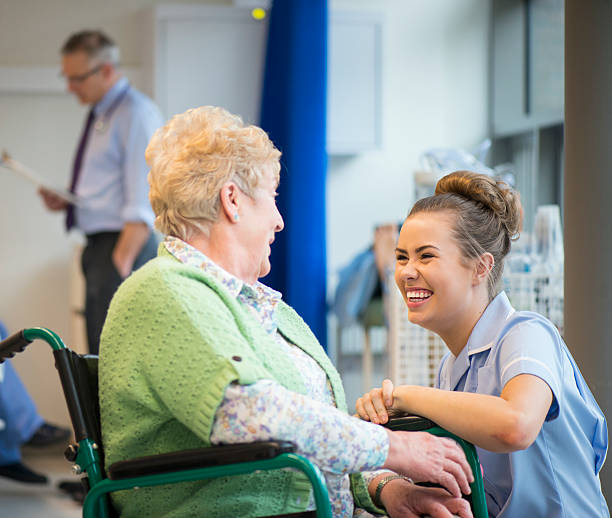
To work as a Registered Midwife in the UK, candidates must meet professional registration requirements.
Typically, employers expect applicants to possess:
- A recognized midwifery qualification
- Professional registration in their home country
- Clinical experience where applicable
- English language proficiency
International applicants must demonstrate that their qualifications meet UK professional standards.
Nursing and Midwifery Council Registration
The UK’s regulatory body for nurses and midwives is the Nursing and Midwifery Council.
The NMC regulates:
- Registered Nurses
- Registered Midwives
- Nursing Associates
International midwives must complete the NMC registration process before legally practicing in the UK.
The registration process may involve:
- Qualification assessment
- Identity verification
- English language evidence
- Professional references
- Competency assessments
Applicants should carefully review the latest requirements directly from the official NMC website.
English Language Requirements
Most international applicants must demonstrate English proficiency.
Accepted evidence may include:
- IELTS Academic
- Occupational English Test (OET)
Required scores may vary according to current NMC regulations.
Strong communication skills are essential because midwives must interact effectively with:
- Patients
- Families
- Doctors
- Nurses
- Healthcare teams
Visa Sponsorship Opportunities

One of the major attractions of UK healthcare careers is the availability of visa sponsorship.
Many NHS Trusts and healthcare employers are licensed sponsors and can support qualified international candidates through the immigration process.
Common sponsorship benefits may include:
- Certificate of Sponsorship (CoS)
- Relocation support
- Temporary accommodation assistance
- Immigration guidance
- Onboarding programs
Healthcare occupations often benefit from strong recruitment pathways because employers actively seek qualified professionals globally.
Always confirm sponsorship availability directly with employers before applying.
UK Skilled Worker Visa for Midwives
Most overseas healthcare professionals enter the UK through the Skilled Worker route.
Applicants generally require:
- A confirmed job offer
- Employer sponsorship
- Required salary threshold compliance
- English language proficiency
- Relevant professional qualifications
Healthcare occupations frequently receive priority consideration due to workforce demand.
Immigration policies may change, so applicants should verify current requirements using official government resources.
NHS Midwife Opportunities
The UK’s National Health Service remains the country’s largest healthcare employer.
Thousands of healthcare vacancies are advertised throughout the year.
NHS opportunities can include:
- Newly Qualified Midwife positions
- Community Midwife roles
- Specialist Midwife opportunities
- Labour Ward positions
- Maternity Unit vacancies
- Leadership and management roles
Working within the NHS offers valuable experience, structured progression, and professional support.
Private Healthcare Opportunities
In addition to NHS positions, private healthcare providers also recruit qualified midwives.
Benefits may include:
- Competitive salary packages
- Smaller patient caseloads
- Modern healthcare facilities
- Additional employee benefits
Private employers may also offer sponsorship opportunities depending on workforce needs.
How to Create a Strong Midwife CV

A professional CV significantly improves your chances of securing interviews.
Your CV should highlight:
Professional Summary
Provide a concise overview of:
- Experience
- Qualifications
- Key clinical strengths
Clinical Skills
Include:
- Antenatal care
- Labour support
- Postnatal care
- Patient assessment
- Emergency response
Education
List all relevant:
- Degrees
- Diplomas
- Certifications
Professional Registration
Clearly include:
- Current registration status
- Licensing information
- NMC application status if applicable
Work Experience
Use measurable achievements where possible.
Example:
“Provided maternity care support for over 1,000 patients annually while maintaining high patient satisfaction standards.”
For more guidance, link internally to:
Related Guide: How to Write a Healthcare CV That Gets Interviews.
Midwife Interview Preparation
Healthcare interviews often focus on both clinical competence and behavioural skills.
Common interview topics include:
Patient Safety
Employers may ask:
“Describe a time you identified a patient safety concern.”
Communication
You may be asked:
“How would you support an anxious first-time mother?”
Teamwork
Interviewers often assess:
- Collaboration
- Conflict resolution
- Professional relationships
Clinical Knowledge
Questions may focus on:
- Risk assessment
- Safeguarding
- Emergency care
- Evidence-based practice
Prepare examples using the STAR method:
- Situation
- Task
- Action
- Result
For additional support, link internally to:
Related Guide: Healthcare Interview Questions and Answers for International Candidates.
Career Progression Opportunities

Midwifery offers excellent long-term career development.
Possible progression pathways include:
Senior Midwife
Managing teams and supporting service delivery.
Specialist Midwife
Focusing on:
- Diabetes
- Mental health
- Public health
- Bereavement care
Consultant Midwife
Providing advanced clinical leadership.
Midwifery Educator
Teaching future healthcare professionals.
Healthcare Management
Leading maternity services and healthcare departments.
Challenges and Rewards
Midwifery is both demanding and rewarding.
Challenges may include:
- Shift work
- Emotional situations
- Clinical emergencies
- High responsibility
However, many professionals describe midwifery as one of the most fulfilling healthcare careers because they support families during life-changing moments.
The opportunity to positively impact maternal and newborn outcomes provides significant professional satisfaction.
Official Resources

Applicants should always use official resources for the most current information:
- UK Government Immigration Services
- Nursing and Midwifery Council (NMC)
- NHS Jobs
- NHS Careers
- Professional Midwifery Organizations
Avoid relying solely on unofficial social media information when making career or immigration decisions.
Final Thoughts
Registered Midwife opportunities in the United Kingdom continue to attract healthcare professionals from around the world. Strong demand, structured career progression, professional development opportunities, competitive salaries, and visa sponsorship pathways make the UK one of the most attractive destinations for qualified midwives seeking international careers.
Success requires proper preparation, including obtaining recognized qualifications, meeting English language requirements, completing NMC registration, creating a strong CV, and preparing thoroughly for interviews.
By following official guidance, maintaining professional standards, and targeting reputable employers, international candidates can significantly improve their chances of securing rewarding midwifery careers within the UK’s healthcare system.
Whether you are an experienced practitioner seeking a new challenge or an internationally trained healthcare professional exploring opportunities abroad, the United Kingdom offers a promising environment for professional growth, meaningful patient care, and long-term career success.
It’s great that you are getting thoughts from this post as well as from our argument made at this time.
It’s awesome designed for me to have a web page, which is valuable in favor of my knowledge. thanks admin
This site was… how do you say it? Relevant!! Finally I have found something that helped me. Kudos!
I am really loving the theme/design of your site. Do you ever run into any browser compatibility issues? A small number of my blog audience have complained about my blog not operating correctly in Explorer but looks great in Chrome. Do you have any recommendations to help fix this issue?
Why visitors still use to read news papers when in this technological globe the whole thing is existing on net?