
Spain has become one of the most attractive destinations for international workers searching for better salaries, quality healthcare, modern cities, and a balanced lifestyle. From hospitality and construction to healthcare, information technology, logistics, engineering, and agriculture, Spain continues to face labor shortages in many sectors. This creates real opportunities for foreigners who are ready to work hard, learn new skills, and build a stable future abroad.
For many job seekers from Africa and other regions, Spain represents more than just employment. It represents safety, career growth, better education opportunities for children, access to Europe, and a chance to improve long-term financial stability. Thousands of foreign workers successfully move to Spain every year through legal work permits, seasonal work programs, skilled worker recruitment, and company sponsorships.
In this detailed guide, you will learn everything you need to know about high-paying jobs in Spain, salary expectations, labor shortages, accommodation, work permits, company culture, application processes, and practical tips to improve your chances of getting hired.
Why Spain Is Attracting International Workers
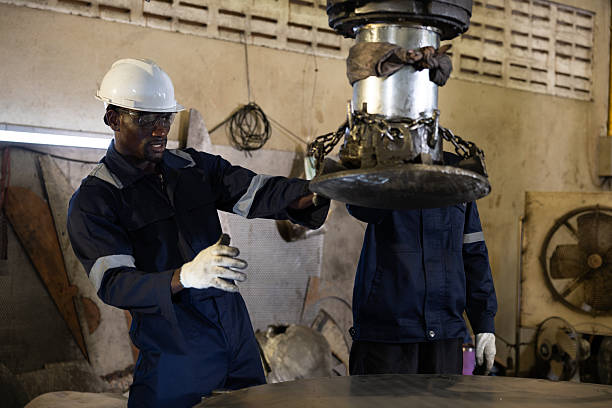
Spain is one of the largest economies in Europe and continues to expand in tourism, renewable energy, healthcare, construction, agriculture, transportation, and digital technology. While unemployment still exists in some regions, many industries struggle to find enough qualified workers.
Several Spanish employers now recruit foreign workers because:
- The aging population is reducing the local workforce.
- Tourism and hospitality continue to grow rapidly.
- Construction and infrastructure projects require skilled labor.
- Healthcare systems need more nurses and caregivers.
- Agricultural farms need seasonal workers yearly.
- Technology companies require IT professionals and engineers.
- Logistics and warehouse sectors continue expanding.
Spain also offers a better work-life balance compared to many countries. Workers often enjoy paid holidays, healthcare access, social security benefits, and regulated working conditions.
Who These Jobs Are For
High-paying jobs in Spain are available for different categories of workers. You do not always need a university degree to qualify.
Skilled Professionals
These include:
- Software developers
- Engineers
- Healthcare workers
- Electricians
- Welders
- Architects
- Data analysts
- Financial professionals
Skilled professionals often receive higher salaries and company-sponsored visas.
Semi-Skilled Workers
These include:
- Warehouse workers
- Delivery drivers
- Hotel staff
- Machine operators
- Construction assistants
- Factory workers
- Farm supervisors
Many Spanish employers recruit semi-skilled workers because of labor shortages.
Seasonal Workers
Spain heavily depends on agriculture and tourism. Seasonal jobs become available during harvest periods and holiday seasons.
Examples include:
- Fruit picking
- Greenhouse work
- Hotel housekeeping
- Kitchen support
- Restaurant service
- Farm operations
Entry-Level Applicants
Some companies hire applicants with limited experience if they are willing to learn and adapt.
These opportunities are ideal for:
- Young graduates
- First-time international workers
- Individuals seeking career changes
- Workers searching for European experience
Most In-Demand High-Paying Jobs in Spain
1. Information Technology Jobs
Spain’s digital economy is growing rapidly. Cities like Madrid and Barcelona are becoming technology hubs.
Popular IT roles include:
- Software engineers
- Cybersecurity analysts
- Cloud engineers
- Web developers
- AI specialists
- Data scientists
Salary Expectations
- Junior developers: €28,000–€40,000 yearly
- Senior developers: €50,000–€90,000 yearly
- Cybersecurity experts: €60,000+ yearly
Companies Hiring
- Telefonica
- Indra Sistemas
- Accenture Spain
- Cabify
- Amazon Spain
Internal Link Suggestion: Read our guide on “Remote Developer Jobs in Europe.”
2. Healthcare and Nursing Jobs
Spain continues to experience shortages of healthcare workers due to an aging population.
In-demand positions include:
- Registered nurses
- Elderly caregivers
- Medical assistants
- Physiotherapists
- Doctors
Salary Expectations
- Nurses: €30,000–€45,000 yearly
- Doctors: €60,000–€120,000 yearly
- Caregivers: €18,000–€28,000 yearly
Requirements
- Medical qualifications
- Professional licensing recognition
- Basic Spanish language skills
- Background checks
Many hospitals assist international workers with visa support.
Internal Link Suggestion: “Healthcare Assistant Jobs Abroad With Visa Sponsorship.”
3. Construction and Skilled Trades
Spain’s infrastructure and housing sectors continue growing, especially in large cities.
Popular roles include:
- Electricians
- Plumbers
- Welders
- Heavy equipment operators
- Civil engineering technicians
- Carpenters
Salary Expectations
- Skilled trades workers: €25,000–€45,000 yearly
- Specialized technicians: €50,000+ yearly
Why These Jobs Matter
Construction companies often struggle to recruit enough experienced workers locally. Foreign workers with certifications and practical experience are highly valued.
4. Hospitality and Tourism Jobs
Spain is one of the world’s most visited tourist destinations.
Hotels, resorts, restaurants, and travel companies regularly hire foreign workers.
Popular positions include:
- Hotel receptionists
- Chefs
- Waiters
- Housekeepers
- Tour assistants
- Bartenders
- Resort managers
Salary Expectations
- Entry-level hospitality jobs: €18,000–€25,000 yearly
- Experienced chefs and managers: €35,000–€60,000 yearly
Language Requirements
English is often accepted in tourist areas, but Spanish improves your opportunities significantly.
Internal Link Suggestion: “Hotel Jobs in Europe With Accommodation Included.”
5. Logistics and Warehouse Jobs
The growth of e-commerce has increased demand for logistics workers.
Common roles include:
- Warehouse associates
- Delivery drivers
- Forklift operators
- Inventory coordinators
- Supply chain assistants
Salary Expectations
- Warehouse staff: €20,000–€30,000 yearly
- Supervisors: €35,000–€50,000 yearly
Large companies often provide training and overtime opportunities.
6. Agricultural and Farm Work
Spain’s agricultural sector recruits thousands of seasonal foreign workers annually.
Common jobs include:
- Fruit harvesting
- Vegetable packing
- Greenhouse operations
- Farm equipment support
Salary Expectations
- Seasonal workers: €1,200–€2,000 monthly
- Experienced farm supervisors: Higher pay rates available
Some employers provide shared accommodation and transportation.
Salary Expectations in Spain
Salaries vary depending on experience, location, and industry.
Average Monthly Salaries
| Industry | Monthly Salary |
|---|---|
| IT & Technology | €3,000–€7,000 |
| Healthcare | €2,500–€6,000 |
| Construction | €2,000–€4,000 |
| Hospitality | €1,500–€3,000 |
| Agriculture | €1,200–€2,000 |
| Logistics | €1,800–€3,500 |
Cities like Madrid and Barcelona usually offer higher salaries but also have higher living costs.
Cost of Living in Spain
Understanding living expenses is important before relocating.
Accommodation Costs
- Shared apartment: €300–€700 monthly
- One-bedroom apartment: €700–€1,500 monthly
- Company accommodation: Sometimes free or subsidized
Transportation
- Public transport passes: €40–€80 monthly
- Fuel costs vary depending on region.
Food Expenses
- Groceries for one person: €200–€400 monthly
- Restaurant meals: €10–€20 average
Healthcare
Workers with legal contracts usually access Spain’s public healthcare system.
Overall Budget
A single worker may need approximately €900–€1,800 monthly depending on lifestyle and city.
Work Permits and Visa Requirements

Foreign nationals outside the European Union usually require work authorization.
Common Work Permit Types
Sponsored Work Visa
A Spanish employer offers a job contract and sponsors your work permit.
Seasonal Worker Visa
Used for agricultural or temporary employment.
Highly Skilled Worker Visa
Designed for professionals in high-demand industries.
Documents Often Required
- Valid passport
- Job offer letter
- Educational certificates
- Police clearance certificate
- Medical records
- Employment history
- Passport photographs
Important Advice
Always apply through legal channels. Avoid agencies demanding excessive upfront fees or fake guarantees.
Internal Link Suggestion: “How to Apply for Europe Work Visas Legally.”
Real Companies Recruiting in Spain
Several major employers regularly recruit international workers.
Technology and Engineering
- Telefonica
- Indra Sistemas
- Siemens Spain
- IBM Spain
- Amazon Spain
Hospitality
- Melia Hotels International
- NH Hotel Group
- Iberostar Hotels
Logistics and Retail
- DHL Spain
- Mercadona
- Carrefour Spain
Healthcare
- Quiron Salud
- Sanitas
Applicants should apply through official company career portals.
Internal Link Suggestion: “Top European Companies Offering Visa Sponsorship Jobs.”
Step-by-Step Application Process
Step 1: Identify Suitable Jobs
Research industries matching your skills and experience.
Use:
- Official company websites
- European job portals
- Government employment sites
- Licensed recruitment agencies
Step 2: Prepare a European-Style CV
Your CV should:
- Be professional and clear
- Include work experience
- Highlight certifications
- Mention language abilities
- Include contact information
Keep your CV concise and error-free.
Step 3: Write a Strong Cover Letter
Explain:
- Why you want the job
- Why you are interested in Spain
- Your relevant skills
- Your willingness to relocate
Step 4: Submit Applications
Apply consistently to multiple opportunities.
Many successful applicants send dozens of applications before receiving interviews.
Step 5: Attend Interviews
Interviews may happen through:
- Zoom
- Microsoft Teams
- Phone calls
- In-person meetings
Step 6: Receive Job Offer
Once selected, the employer may begin visa sponsorship procedures.
Step 7: Apply for Work Permit and Visa
Submit required documents through the Spanish embassy or consulate.
Step 8: Relocate and Register Locally
After arrival, workers usually register for:
- Residence permits
- Tax numbers
- Social security
- Healthcare access
Tips to Increase Your Chances of Getting Hired
Learn Basic Spanish
Even basic communication skills improve your chances significantly.
Employers appreciate workers who can adapt.
Gain Relevant Certifications
Certifications in:
- Welding
- IT
- Healthcare
- Safety training
- Hospitality
can improve your competitiveness.
Apply Early
Many employers recruit months before positions start.
Customize Your CV
Avoid sending the same generic CV everywhere.
Tailor your application to each position.
Build Professional Online Profiles
LinkedIn profiles help recruiters find qualified candidates.
Be Flexible
Workers willing to relocate to smaller cities sometimes find opportunities faster.
Interview Tips for Spain Jobs
Research the Company
Understand:
- Company services
- Work culture
- Industry reputation
- Recent projects
Practice Common Questions
Prepare answers for:
- Why do you want to work in Spain?
- What skills make you suitable?
- How do you handle challenges?
- Are you willing to relocate?
Dress Professionally
Even online interviews require professional appearance.
Be Honest
Do not exaggerate qualifications or experience.
Demonstrate Adaptability
Employers value candidates willing to learn and integrate into new environments.
Company Culture in Spain
Spanish workplaces often value teamwork, communication, and respect.
Work-Life Balance
Spain is known for promoting personal time and family life.
Communication Style
Professional relationships are important.
Politeness and patience matter.
Working Hours
Schedules vary by industry.
Hospitality and tourism may require weekends and evening shifts.
Paid Leave
Employees often receive annual vacation days and public holiday benefits.
Accommodation Options for Foreign Workers
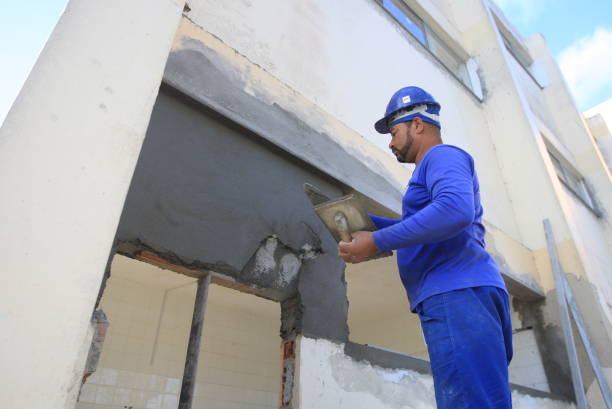
Employer-Provided Housing
Some industries provide:
- Shared apartments
- Farm accommodation
- Staff housing
- Subsidized rentals
Renting Independently
Websites commonly used in Spain include:
- Idealista
- Fotocasa
- Habitaclia
Important Tips
- Avoid sending money before verifying accommodation.
- Read rental agreements carefully.
- Share apartments initially to reduce costs.
Language Requirements Explained Clearly
Language requirements depend on the industry.
Jobs That Often Require Spanish
- Healthcare
- Customer service
- Government-related roles
- Retail positions
Jobs Where English May Be Enough
- Some IT positions
- International tourism roles
- Certain engineering companies
Recommended Approach
Learning basic Spanish improves:
- Daily communication
- Workplace integration
- Promotion opportunities
- Social relationships
Free online platforms and local language schools can help beginners.
Local Labor Shortages Creating Opportunities
Spain continues to experience shortages in several sectors.
Key Shortage Areas
- Elderly care
- Agriculture
- Truck driving
- Construction
- Technology
- Hospitality
- Skilled trades
Foreign workers who possess practical skills often have strong employment opportunities.
Real Application Guidance for International Workers
Use Official Sources
Always prioritize:
- Official company websites
- Verified recruitment portals
- Government immigration websites
Avoid Scams
Warning signs include:
- Requests for large upfront payments
- Fake visa promises
- No official contracts
- Poor communication
Keep Digital Copies of Documents
Prepare scanned copies of:
- Passport
- Certificates
- CV
- Recommendation letters
Stay Organized
Track:
- Application dates
- Interview schedules
- Employer responses
- Visa requirements
Continue Improving Skills
Employers prefer applicants who continuously learn and adapt.
Challenges You Should Expect
Relocating abroad can be rewarding but also challenging.
Common challenges include:
- Language barriers
- Homesickness
- Cultural adjustments
- Initial financial costs
- Bureaucratic processes
However, many workers successfully overcome these challenges through preparation and persistence.
Final Thoughts
Spain continues to offer real opportunities for international workers searching for higher salaries, career growth, and a better quality of life. Whether you are interested in healthcare, hospitality, construction, technology, logistics, or agriculture, opportunities exist for motivated applicants willing to prepare properly.
The key to success is using legal pathways, building relevant skills, preparing strong applications, and understanding how the Spanish job market works. Learning basic Spanish, researching employers carefully, and staying consistent with applications can dramatically improve your chances.
For many international workers, Spain is not just a temporary destination. It becomes a place to build long-term careers, support families, gain international experience, and create a more stable future.
If you are serious about working abroad, start preparing today. Research industries, update your CV, improve your language skills, and apply through trusted channels. Your next opportunity could be the beginning of a completely new chapter in your life.