Why Your Interview Outfit Matters
Introduction
Walking into a job interview is more than answering questions about your experience and skills. Before you say your first word, employers have already begun forming an impression based on your appearance, confidence, and professionalism. The clothes you choose for an interview communicate that you understand workplace expectations and that you respect the opportunity.
Dressing appropriately does not mean wearing the most expensive suit or following every fashion trend. Instead, it means selecting clean, well-fitted, and professional clothing that matches the company’s culture while allowing your personality and qualifications to shine.
Whether you are applying for your first job, changing careers, seeking a promotion, or attending an online interview, knowing what to wear can increase your confidence and help you present yourself as a serious candidate.
This guide combines practical advice, employer expectations, and professional career guidance to help you choose the right interview outfit for almost any industry.
Why First Impressions Matter
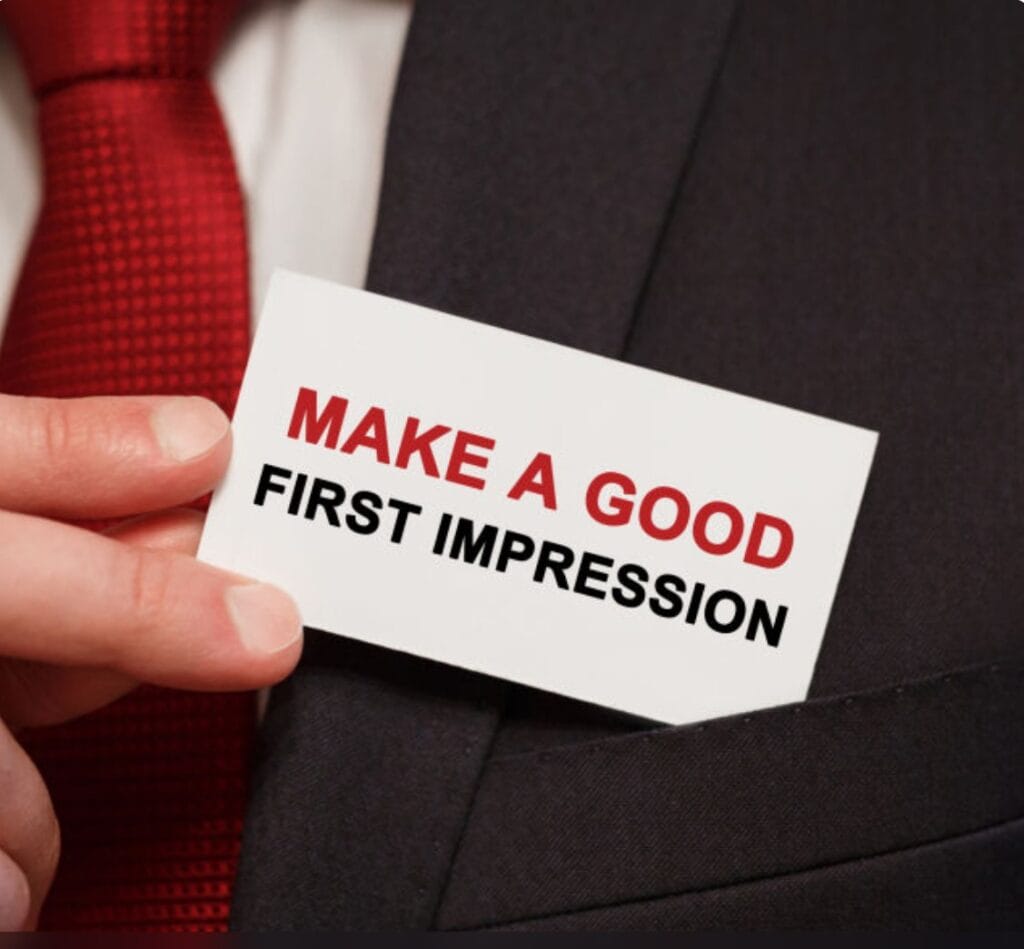
Research in psychology and recruitment consistently shows that people form first impressions within seconds of meeting someone. During a job interview, employers evaluate more than your resume. They also notice your appearance, body language, grooming, and professionalism.
Your clothing can communicate that you are:
- Organized and prepared
- Respectful of the interview process
- Detail-oriented
- Professional
- Confident
- Ready to represent the organization
Although your experience and skills ultimately determine hiring decisions, dressing appropriately removes unnecessary distractions and allows interviewers to focus on your qualifications.
Understanding the Company’s Dress Code
One of the biggest mistakes job seekers make is assuming that every interview requires the same outfit.
Different industries have different expectations.
For example:
- Corporate banking and law firms often expect formal business attire.
- Technology companies may prefer business casual clothing.
- Creative agencies may welcome modern professional fashion with tasteful personal style.
- Retail, hospitality, and customer service employers often expect neat, clean, and polished attire that reflects the company’s image.
Before your interview, spend time researching the company’s website, careers page, social media profiles, and employee photos to understand its workplace culture.
When in doubt, it is usually better to dress slightly more formally than the company’s everyday dress code.
The Psychology of Professional Dressing
Your interview outfit affects more than how employers see you—it also influences how you see yourself.
Studies on “enclothed cognition” suggest that clothing can affect confidence, focus, and professional behavior. Wearing well-prepared interview attire often helps candidates feel more confident, maintain better posture, and communicate more effectively during interviews.
Choosing your outfit the night before your interview also reduces stress and allows you to focus on preparing your answers rather than making last-minute clothing decisions.
Key Principles for Choosing Interview Clothing
Regardless of the job you’re applying for, follow these basic principles:
- Wear clean, wrinkle-free clothing.
- Ensure your clothes fit properly—not too tight or too loose.
- Choose neutral or professional colors.
- Wear polished, clean shoes.
- Keep accessories simple and professional.
- Practice good personal hygiene.
- Avoid clothing with large logos, distracting graphics, or offensive messageProfessional dressing is about creating trust and showing respect for both yourself and your potential employer.
Choosing the Right Interview Outfit
Landing an interview is a significant achievement, but selecting the right outfit is equally important. Your clothing should support—not overshadow—your qualifications. The goal is to appear polished, professional, and appropriate for the position and workplace culture.
Author’s Insight – Omijeh Omoekpen: Dress for the Job You Want
Employers often expect candidates to dress at or slightly above the company’s everyday dress code. If you’re unsure, choose the more professional option.
Business Formal Attire
Business formal is expected in industries where professionalism and client trust are essential, such as finance, law, government, consulting, and executive management.
For Men
A professional business formal outfit typically includes:
- A navy, charcoal, or black suit
- A white or light blue dress shirt
- A conservative necktie
- Dark dress socks
- Polished black or brown leather shoes
- A matching leather belt
- A clean shave or neatly groomed beard
Avoid flashy colors, oversized accessories, or heavily scented cologne.
For Women
Business formal attire may include:
- A tailored pantsuit or skirt suit
- A professional blouse in a neutral color
- Closed-toe flats or moderate heels
- Simple jewelry
- A structured handbag or portfolio
- Natural makeup and neat hairstyle
Professionalism should always take priority over fashion trends.
Author’s Insight – Omijeh Omoekpen: Quality Over Price
A clean, well-fitted, affordable outfit creates a stronger impression than an expensive outfit that doesn’t fit properly.
Business Casual Attire
Many technology companies, marketing agencies, educational institutions, healthcare organizations, and administrative offices encourage business casual clothing.
Men Can Wear
- Dress trousers or chinos
- Button-down shirt or polo
- Optional blazer
- Leather loafers or dress shoes
- Coordinated belt
Women Can Wear
- Dress pants
- Knee-length skirt
- Professional blouse
- Cardigan or blazer
- Flats or low heels
Business casual should still appear polished. Jeans, athletic shoes, hoodies, and graphic T-shirts are generally inappropriate unless specifically encouraged by the employer.
Smart Casual Interviews
Some creative industries—including media, design, advertising, startups, and entertainment—allow smart casual attire.
Examples include:
- Dark chinos
- Clean Oxford shirt
- Casual blazer
- Minimal sneakers (only if acceptable within company culture)
- Professional knitwear
Although smart casual offers flexibility, candidates should still avoid clothing that appears sloppy or overly fashionable.
Author’s Insight – Omijeh Omoekpen: Avoid Guessing
If you cannot determine the company’s dress code, business casual is usually the safest choice.
Industry-Specific Recommendations
Different careers expect different levels of formality.
Corporate and Finance
Choose conservative colors, traditional suits, polished shoes, and minimal accessories.
Information Technology
Technology companies often value comfort and practicality, but interview attire should remain professional.
Healthcare
Medical interviews require clean, modest clothing that reflects attention to hygiene and professionalism.
Education
Teachers and academic professionals should dress respectfully, balancing professionalism with approachability.
Hospitality and Retail
Employers appreciate candidates who present themselves neatly since they often represent the company’s public image.
Creative Industries
Graphic designers, photographers, writers, and marketing professionals may incorporate tasteful personal style while maintaining professionalism.
Colors That Create a Professional Impression
Neutral colors remain the safest choices because they project confidence and reliability.
Recommended colors include:
- Navy blue
- Charcoal gray
- Black
- White
- Light blue
- Beige
Avoid clothing that is excessively bright, glittery, or covered with distracting patterns.
Let Your Skills Stand Out
Your interviewer should remember your experience, communication, and confidence—not an overly bold outfit.
The Importance of Proper Fit
Even the most expensive clothing can appear unprofessional if it does not fit correctly.
Your interview clothes should:
- Allow comfortable movement
- Sit neatly on your shoulders
- Have sleeves and trouser lengths that fit appropriately
- Avoid excessive tightness or bagginess
Tailoring inexpensive clothing often produces a more polished appearance than buying costly garments that fit poorly.
Preparing Your Outfit Before Interview Day
Avoid last-minute stress by preparing everything the evening before.
Your checklist should include:
- Clothing cleaned and pressed
- Shoes polished
- Accessories selected
- Resume printed
- Portfolio prepared
- Interview bag organiPreparation demonstrates professionalism and allows you to focus on presenting your qualifications with confidence.
Grooming, Accessories, Shoes, and Common Interview Style Mistakes

Choosing the right clothing is only one part of creating a professional first impression. Employers also notice your grooming, personal hygiene, footwear, accessories, and overall attention to detail. A polished appearance demonstrates respect for yourself, the interviewer, and the opportunity.
Professional Grooming Matters
Good grooming shows that you are organized, dependable, and prepared. Even an excellent interview outfit can lose its impact if it is paired with poor personal hygiene or an untidy appearance.
Before leaving for your interview, make sure you:
- Shower or bathe.
- Brush your teeth and maintain fresh breath.
- Wash and neatly style your hair.
- Trim or clean your fingernails.
- Wear clean, wrinkle-free clothing.
- Apply deodorant.
- Avoid strong perfumes or colognes.
Author’s Insight – Omijeh Omoekpen: Professional Tip
Many workplaces have fragrance-sensitive employees or clients. Wearing little or no perfume is usually the safest choice.
Choosing the Right Shoes
Interviewers often notice shoes because they reflect attention to detail.
Recommended for Men
- Black leather dress shoes
- Brown leather dress shoes
- Polished loafers
- Clean dress boots (where appropriate)
Recommended for Women
- Closed-toe pumps
- Ballet flats
- Professional loafers
- Low-heeled dress shoes
Your shoes should always be:
- Clean
- Polished
- Comfortable
- In good condition
Avoid:
- Athletic sneakers
- Flip-flops
- Worn-out sandals
- Dirty or damaged footwear
Selecting Professional Accessories
Accessories should complement your appearance—not distract from it.
Good choices include:
- A classic wristwatch
- A leather portfolio or document folder
- A simple belt that matches your shoes
- Minimal jewelry
- A professional handbag or briefcase
Avoid oversized jewelry, noisy bracelets, flashy sunglasses worn indoors, or accessories that draw unnecessary attention.
Author’s Insight – Omijeh Omoekpen: Less Is More
Professional accessories should enhance your appearance while allowing your qualifications and personality to remain the focus.
Hairstyles That Create a Positive Impression
There is no single “correct” hairstyle for interviews, but your hair should appear clean, neat, and intentional.
Long hair may be worn down or tied back neatly.
Short hairstyles should be freshly groomed.
Facial hair should be trimmed and well maintained.
Regardless of style, employers generally appreciate candidates who present themselves in a tidy and professional manner.
Makeup and Personal Presentation
For candidates who wear makeup, the goal is a polished and natural appearance.
Professional interview makeup typically emphasizes:
- A clean complexion
- Neutral colors
- Minimal glitter
- Natural lipstick shades
Similarly, nail polish should be clean and conservative if worn.
These choices help maintain a professional image while allowing your confidence and communication skills to take center stage.
Dressing for Virtual Job Interviews
Online interviews have become common across many industries. Although the interviewer may only see your upper body, you should dress as professionally as you would for an in-person meeting.
Consider the following:
- Wear a professional shirt, blouse, or blazer.
- Choose solid colors that look good on camera.
- Avoid distracting patterns.
- Ensure your clothing contrasts with your background.
- Sit in a well-lit area.
- Keep your background clean and organized.
Author’s Insight – Omijeh Omoekpen: Virtual Interview Tip
Dress completely—even below the camera. Unexpected situations may require you to stand up during the interview.
Seasonal Interview Clothing
Summer
Choose lightweight, breathable fabrics while maintaining a professional appearance.
Avoid sleeveless tops, shorts, and overly casual sandals unless specifically appropriate for the workplace.
Winter
Wear a professional coat that can be removed upon arrival.
Ensure scarves, gloves, and boots are clean and coordinated with your outfit.
Rainy Weather
Carry a compact umbrella and allow extra travel time to avoid arriving with wet clothing or muddy shoes.
Preparing for seasonal conditions demonstrates planning and professionalism.
Common Interview Clothing Mistakes
Many qualified candidates unintentionally weaken their first impression through avoidable wardrobe choices.
Common mistakes include:
- Wearing wrinkled clothing
- Clothes that are too tight or too loose
- Strong perfume or cologne
- Excessive jewelry
- Dirty shoes
- Visible stains
- Distracting slogans or logos
- Overly casual jeans or hoodies
- Unkempt hair
- Forgetting to lint-roll dark clothing
Taking a few extra minutes to review your appearance before leaving can prevent these issues.
Building Confidence Through Preparation
Confidence often begins long before the interview starts.
Prepare your outfit several days in advance, try it on to ensure it fits comfortably, and check that every item is clean and ready to wear.
When you know you look professional, you can focus your attention on answering questions, building rapport with the interviewer, and demonstrating your qualifications.
Final Thought
Your interview attire should support your success—not become the center of attention. The best outfit is one that helps you feel confident, communicates professionalism, and allows your knowledge, experience, and character to shine.
Interview Outfit Examples, Final Checklist, Frequently Asked Questions, and Conclusion
By now, you understand the importance of dressing professionally, choosing clothing that matches the company’s culture, maintaining good grooming, and avoiding common wardrobe mistakes. This final section provides practical outfit examples, a pre-interview checklist, answers to common questions, and trusted resources for continued learning.
Interview Outfit Examples by Career
The ideal interview outfit depends on the industry and the role you are applying for. Below are examples that can help guide your decisions.
Corporate Banking, Finance, and Accounting
Men
- Navy or charcoal suit
- White dress shirt
- Conservative tie
- Black leather shoes
- Matching belt
- Professional briefcase
Women
- Tailored pantsuit or skirt suit
- Neutral blouse
- Closed-toe heels or flats
- Minimal jewelry
- Structured handbag
Information Technology (IT)
Men
- Chinos
- Button-down shirt
- Blazer (optional)
- Leather loafers
Women
- Dress pants
- Professional blouse
- Cardigan or blazer
- Flats or low heels
Healthcare
Doctors, nurses, pharmacists, therapists, and healthcare administrators should prioritize clean, modest, and professional clothing.
Avoid excessive accessories, strong fragrances, or clothing that appears overly casual.
Teaching and Education
Teachers, lecturers, and education professionals should aim for an appearance that communicates professionalism, trustworthiness, and approachability.
Business casual attire is often appropriate, though private schools or universities may expect more formal clothing.
Retail and Hospitality
Candidates interviewing for customer-facing positions should wear clothing that reflects the company’s professional image.
Neat grooming, polished shoes, and a friendly appearance are especially important.
Creative Industries
Graphic designers, writers, marketers, photographers, and advertising professionals often have greater flexibility.
However, creativity should never replace professionalism. Choose stylish yet polished clothing that reflects both confidence and good judgment.
📌 Career Tip
When researching a company, review employee photos on the organization’s website or social media pages to better understand its workplace culture and dress expectations.
The Ultimate Interview Clothing Checklist
Use this checklist the evening before your interview.
Clothing
Outfit is clean
Clothing is wrinkle-free
Properly fitted
Professional colors
No stains or tears
Shoes
Clean
PolishedComfortable
Appropriate for the role
Grooming
Hair neat
Nails clean
Fresh breath
Deodorant applied
Minimal fragrance
Accessories
Resume folder prepared
Pen and notebook packed
Watch (optional)
Simple jewelry only
Final Preparation
Interview address confirmed
Transportation arranged
Company researched
Phone charged
Interview documents printed
Outfit prepared the night before
Frequently Asked Questions
Can I wear jeans to an interview?
Generally, no. Unless the employer specifically encourages casual attire, business casual or business formal clothing is the safer choice.
Are sneakers acceptable?
Athletic sneakers are usually inappropriate for professional interviews. Clean minimalist sneakers may be acceptable only in very casual or creative workplaces.
What colors work best?
Professional colors include:
- Navy
- Gray
- Black
- White
- Light blue
- Beige
These colors project confidence, reliability, and professionalism.
Should I wear perfume or cologne?
Use little or none. Strong fragrances can distract interviewers or affect individuals with allergies or fragrance sensitivities.
What if I cannot afford a suit?
A well-fitting dress shirt, clean trousers, polished shoes, and a neat appearance can make an excellent impression. Employers generally value cleanliness, preparation, and professionalism more than expensive clothing.
Final Thoughts
Your interview outfit is not about impressing employers with luxury brands or expensive fashion. It is about showing respect for the opportunity, understanding workplace expectations, and presenting yourself as someone who is ready to contribute professionally.
The most successful candidates combine appropriate attire with confidence, preparation, punctuality, and strong communication skills. By choosing clean, well-fitted clothing that matches the company culture, paying attention to grooming, and preparing your outfit in advance, you allow your qualifications—not your wardrobe mistakes—to become the focus of the conversation.
Remember that every interview is an opportunity to demonstrate your professionalism from the moment you arrive. Thoughtful preparation can help you feel more confident and leave a lasting positive impression.
References and Further Reading
The following organizations provide reliable career guidance and interview advice:
- LinkedIn Career – Professional career advice, networking insights, and interview preparation.
- Indeed Career Guide – Articles covering interview preparation, workplace expectations, and professional development.
- Glassdoor Career Advice – Interview tips, company insights, and employee experiences.
- Harvard Business Review (HBR) – Research-backed articles on leadership, hiring, and workplace professionalism.
- The Muse – Practical resources on career planning, interviewing, and workplace success.
- Society for Human Resource Management (SHRM) – Human resources best practices and hiring guidance.
- U.S. Bureau of Labor Statistics (BLS) – Career outlook information and occupational resources.
Conclusion
The way you dress for an interview communicates professionalism before you speak. While clothing alone will not secure a job offer, it can reinforce the positive impression created by your skills, experience, and attitude. Prepare thoughtfully, dress appropriately for the role and company, and let your confidence and qualifications take center stage. A polished appearance, combined with thorough interview preparation, gives you the best opportunity to make a memorable and positive first impression.
Official Sources and References
This article was researched and prepared using guidance from reputable career development organizations, employer resources, and professional workplace publications. Readers are encouraged to consult the original sources for the latest recommendations, hiring trends, and interview guidance.
Official Sources
- LinkedIn Careers
Official Website: linkedin.com - Indeed Career Guide
Official Website: indeed.com/career-advice - Glassdoor Career Advice
Official Website: glassdoor.com/blog - Harvard Business Review (HBR)
Official Website:hbr.org - Society for Human Resource Management (SHRM)
Official Website: shrm.org - U.S. Bureau of Labor Statistics (Career Outlook)
Official Website: bls.gov/ooh - National Careers Service (UK Government)
Official Website: nationalcareers.service.gov.uk - Prospects (UK Graduate Careers)
Official Website: prospects.ac.uk - The Muse
Official Website themuse.com - Betterteam Hiring Resources
Official Website:betterteam.com - CareerOneStop (Sponsored by the U.S. Department of Labor)
Official Website: careeronestop.org - Monster Career Advice
Official Website: monster.com/career-advice - Robert Half Career Advice
Official Website: roberthalf.com - Michael Page Career Advice
Official Website: michaelpage.com - Hays Career Advice
Official Website:hays.com
Disclaimer
The information provided in this article is intended for general educational and informational purposes only. While every effort has been made to ensure the accuracy and relevance of the content at the time of publication, hiring practices, workplace dress codes, and employer expectations may vary by company, industry, country, and individual role.
This guide should not be interpreted as legal, employment, or professional human resources advice. Readers are encouraged to review the specific employer’s interview instructions, company policies, and official career resources before attending an interview.
The external websites referenced in this article are the property of their respective owners and are included solely as educational resources. The author and publisher are not affiliated with, endorsed by, or sponsored by these organizations unless expressly stated.
Interview expectations may change over time. Readers should consult the official websites listed above for the most current career guidance, workplace standards, and interview recommendations.
Last Reviewed: July 2026
Author’s Note: This article is an original educational resource written to help job seekers prepare for interviews by combining practical experience with publicly available guidance from reputable career organizations and official sources. It is not a substitute for advice from employers or qualified career professionals.