SEO Meta Title: Journalism Employment Opportunities Across Ghana: Complete Career Guide 2026
Meta Description: Discover journalism employment opportunities across Ghana, including career paths, qualifications, skills, salaries, employers, and professional growth opportunities.
Journalism Employment Opportunities Across Ghana: The Complete Career Guide
Introduction
Journalism remains one of Ghana’s most influential professions, playing a vital role in promoting democracy, transparency, education, and public accountability. Every day, journalists inform citizens about political developments, business activities, education, health, sports, entertainment, technology, and community affairs. Their work shapes public opinion and contributes to national development.
Over the past decade, Ghana’s media landscape has changed dramatically. Traditional newspapers, radio stations, and television broadcasters now operate alongside digital news platforms, podcasts, online magazines, YouTube channels, and social media newsrooms. This transformation has created new career opportunities for graduates, experienced professionals, freelancers, multimedia storytellers, photographers, editors, producers, and investigative reporters.
Whether you are a university graduate looking for your first reporting assignment or an experienced communications professional seeking a new challenge, Ghana’s journalism industry offers numerous career paths. Employers range from national media organizations and regional broadcasters to NGOs, government agencies, international organizations, and private companies that require skilled content creators and communications specialists.
This guide explores the journalism employment landscape across Ghana, explains the qualifications employers seek, highlights the essential skills needed to succeed, and introduces the many opportunities available in both traditional and digital media.
Table of Contents
- Introduction
- Ghana’s Journalism Industry Overview
- Why Journalism Matters
- Current Employment Trends
- Types of Journalism Careers
- Media Organizations in Ghana
- Skills Employers Value
- Qualifications and Educational Requirements
- Career Opportunities by Region
- Preparing for a Journalism Career

Ghana’s Journalism Industry Overview
Ghana has one of the most vibrant media environments in West Africa. Hundreds of radio stations, television channels, newspapers, online news platforms, and community media organizations serve audiences across the country. This diversity creates employment opportunities for journalists with different backgrounds and interests.
Modern journalism is no longer limited to writing newspaper articles. Employers increasingly seek professionals who can produce multimedia stories, record videos, edit podcasts, create engaging social media content, analyze data, and verify information before publication.
Digital transformation has also expanded opportunities for freelance journalists, independent publishers, and creators who build audiences through newsletters, websites, podcasts, and video platforms.
Why Journalism Is an Important Career
A journalist’s work extends beyond reporting daily events. Journalism helps citizens understand complex issues, promotes informed decision-making, gives communities a voice, and supports democratic governance.
Professional journalists investigate public-interest stories, explain government policies, cover elections responsibly, highlight business and economic developments, report on education and healthcare, and preserve factual records of important events.
The profession rewards individuals who are naturally curious, ethical, persistent, creative, and committed to accurate reporting.
Current Employment Trends in Ghana
Employers are increasingly hiring professionals with digital skills alongside traditional reporting experience. Popular positions include:
- News Reporter
- Multimedia Journalist
- Broadcast Journalist
- News Editor
- Digital Content Producer
- Social Media Journalist
- Investigative Reporter
- Business Reporter
- Political Correspondent
- Sports Journalist
- Health Reporter
- Education Reporter
- Video Journalist
- Podcast Producer
- Fact-Checking Specialist
Organizations also recruit journalists into communications, public relations, corporate affairs, development communication, and content marketing roles.
Opportunities for New Graduates
Graduates entering journalism today benefit from more career options than ever before. Entry-level opportunities include internships, graduate trainee programs, assistant producer positions, junior reporter roles, digital content writing, and social media production.
Employers value candidates who demonstrate practical experience through student newspapers, university radio stations, internships, volunteer reporting, blogs, or personal portfolios.
Building a strong portfolio before graduation can significantly improve employment prospects.
Major Journalism Employers in Ghana
Ghana’s journalism industry is supported by a diverse mix of public broadcasters, private media companies, community radio stations, online publications, and international organizations. These employers recruit journalists with different levels of experience, from fresh graduates to senior editors and newsroom managers.
Television Broadcasters
Television stations employ news reporters, anchors, producers, camera operators, editors, researchers, correspondents, and multimedia journalists. Journalists working in television often specialize in politics, business, health, education, entertainment, or sports reporting.
Common responsibilities include:
- Covering breaking news
- Conducting live interviews
- Writing news scripts
- Producing television packages
- Presenting news bulletins
- Fact-checking stories
- Coordinating with newsroom editors
Radio Broadcasting Careers
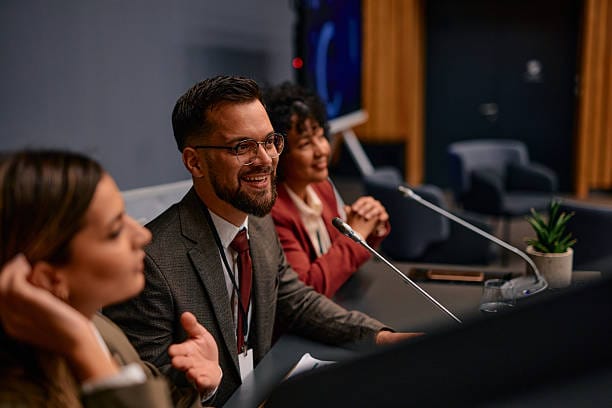
Radio remains one of Ghana’s most accessible and influential media platforms. Radio journalists inform local communities through news bulletins, talk shows, documentaries, and current affairs programs.
Popular positions include:
- News Reporter
- Radio Presenter
- Producer
- News Editor
- Current Affairs Host
- Morning Show Presenter
- Field Correspondent
Successful radio journalists possess excellent communication skills, confidence, and the ability to explain complex issues clearly.
Newspaper Journalism
Although digital publishing continues to expand, newspapers remain an important source of investigative reporting, business analysis, political commentary, and feature writing.
Newspaper journalists may work as:
- Staff Reporters
- Feature Writers
- Editorial Writers
- Photojournalists
- Copy Editors
- Sub Editors
- Editorial Assistants
Accuracy, strong research skills, and ethical reporting remain essential in print journalism.
Digital Journalism
Digital journalism is one of the fastest-growing sectors in Ghana’s media industry. Online news organizations publish stories throughout the day, requiring journalists who can produce content quickly while maintaining accuracy.
Digital journalists often create:
- Breaking news articles
- Multimedia stories
- Live blogs
- Short-form videos
- Podcasts
- Social media updates
- Data-driven reports
- Interactive graphics
Knowledge of search engine optimization (SEO), analytics, audience engagement, and digital publishing systems is increasingly valuable.
Educational Qualifications
Most journalism employers prefer applicants with qualifications in:
- Journalism
- Mass Communication
- Media Studies
- Communication Studies
- English
- Public Relations
- Political Science
- Sociology
- International Relations
However, professionals from other academic backgrounds can also build successful journalism careers by developing strong reporting, writing, and communication skills.
Essential Professional Skills
Employers consistently seek candidates who demonstrate:
Technical Skills
- News writing
- Interviewing
- Research
- Video editing
- Audio production
- Photography
- Mobile journalism
- Content management systems
- Social media publishing
- SEO writing
Soft Skills
- Critical thinking
- Curiosity
- Integrity
- Adaptability
- Time management
- Creativity
- Teamwork
- Problem-solving
- Leadership
- Professional communication
Building a Strong Journalism Portfolio
A professional portfolio often makes the difference between being shortlisted and being overlooked.
Include:
- Published news articles
- Feature stories
- Opinion pieces
- Multimedia reports
- Photography samples
- Video documentaries
- Podcast episodes
- Investigative reports
- Internship projects
- Awards and recognitions
Employers appreciate candidates who can demonstrate practical experience rather than relying solely on academic qualifications.
Internship Opportunities
Internships provide valuable newsroom experience and help aspiring journalists develop practical skills.
Benefits include:
- Learning newsroom operations
- Working with experienced editors
- Building professional networks
- Developing confidence
- Understanding editorial standards
- Improving reporting techniques
- Creating a professional portfolio
Many successful journalists began their careers through internships before securing permanent positions.
Salary Expectations for Journalists in Ghana

Journalism salaries in Ghana vary depending on an individual’s qualifications, years of experience, employer, location, and area of specialization. While entry-level positions often offer modest compensation, experienced journalists, editors, producers, and media managers can earn significantly higher salaries, particularly in large media organizations or international institutions.
Factors That Influence Salary
Several factors determine how much a journalist earns, including:
- Educational qualifications
- Professional experience
- Technical and multimedia skills
- Employer size and reputation
- Geographic location
- Reporting specialization
- Leadership responsibilities
- Freelance income and additional projects
Journalists who develop expertise in investigative reporting, business journalism, data journalism, multimedia production, or digital storytelling often have stronger earning potential.
Employment Opportunities by Region
Journalism careers are available throughout Ghana, although opportunities are generally concentrated in larger cities where media organizations have their headquarters.
Greater Accra Region
As the country’s media hub, Greater Accra offers the largest number of opportunities in television, radio, newspapers, online publishing, corporate communications, and public affairs.
Ashanti Region
Kumasi hosts numerous regional radio stations, television broadcasters, newspapers, and digital media organizations that regularly recruit reporters, presenters, producers, and editors.
Western Region
The Western Region presents opportunities in business reporting, environmental journalism, energy reporting, and community news coverage.
Northern Ghana
Regional broadcasters and community media organizations provide opportunities for journalists interested in local governance, education, agriculture, development, and public health reporting.
Freelance Journalism Opportunities
Freelancing has become an important career path for journalists who prefer flexibility and independence.
Freelance journalists may produce:
- News articles
- Feature stories
- Opinion pieces
- Investigative reports
- Documentary scripts
- Podcasts
- Video reports
- Newsletters
- Website content
- Corporate publications
A successful freelance career requires excellent networking, strong time management, reliable communication, and a portfolio of high-quality published work.
Careers Beyond the Newsroom
Journalism skills are highly transferable. Many professionals build successful careers in related fields such as:
- Corporate Communications
- Public Relations
- Development Communication
- Government Information Services
- International Organizations
- Non-Governmental Organizations (NGOs)
- Marketing and Brand Communications
- Digital Content Strategy
- Media Training
- Research and Policy Communication
These roles often value the same strengths developed through journalism, including writing, interviewing, research, fact-checking, and audience engagement.
Preparing for Job Interviews
Candidates who perform well during interviews typically demonstrate both technical competence and professional ethics.
Interview preparation should include:
- Researching the employer
- Reviewing recent news stories
- Understanding media ethics
- Preparing examples of previous work
- Practicing interview questions
- Organizing a professional portfolio
- Demonstrating knowledge of current affairs
Employers often seek candidates who can work accurately under pressure while maintaining high editorial standards.
Career Growth
Journalism offers multiple pathways for advancement. A reporter may progress into senior reporting, editorial leadership, newsroom management, investigative journalism, broadcast production, or executive media management.
Continuous learning is essential. Journalists who invest in digital skills, multimedia production, audience analytics, and emerging technologies are better positioned for long-term career success.
Educational Qualifications and Professional Development
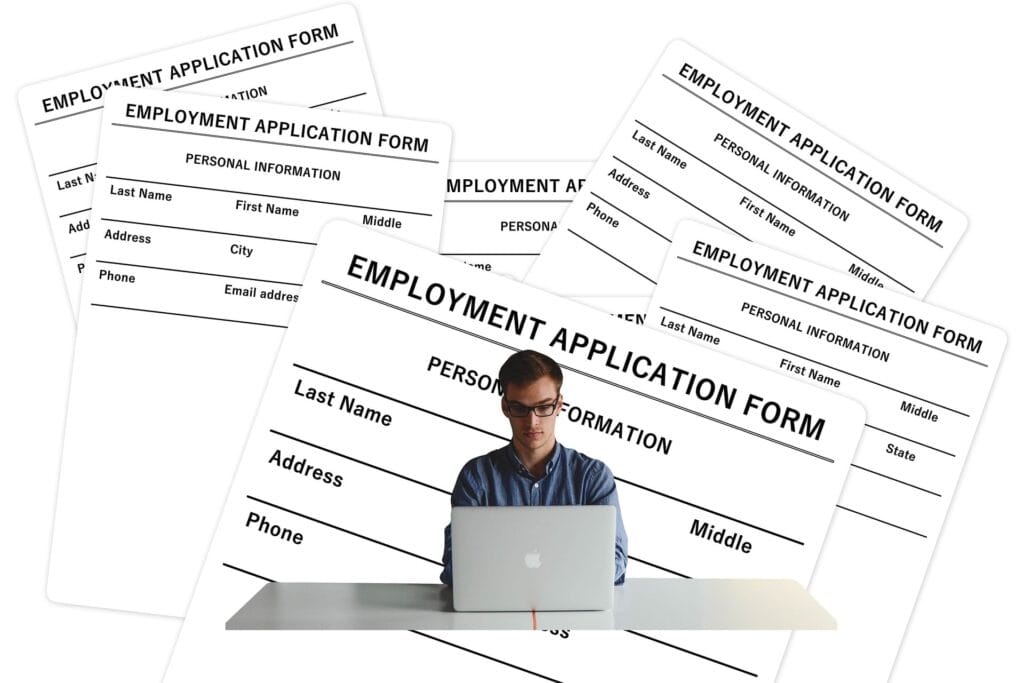
A successful journalism career begins with a strong educational foundation, but long-term success depends on continuous learning, practical experience, and a commitment to ethical reporting. Ghana’s media industry values professionals who combine academic knowledge with real-world storytelling skills.
Recommended Educational Background
Although journalism employers recruit candidates from different academic disciplines, degrees in the following fields provide a strong foundation:
- Journalism
- Mass Communication
- Communication Studies
- Media Studies
- English Language
- Public Relations
- Political Science
- Sociology
- International Relations
- Economics (for business reporting)
- Environmental Science (for environmental journalism)
- Health Sciences (for health reporting)
Specialized knowledge can be an advantage when reporting on technical subjects such as finance, technology, healthcare, agriculture, or science.
Professional Certifications
While not always mandatory, professional training and certifications can strengthen a journalist’s profile and demonstrate a commitment to continuous improvement.
Useful areas of professional development include:
- Digital journalism
- Multimedia storytelling
- Investigative reporting
- Data journalism
- Mobile journalism (MoJo)
- Broadcast presentation
- Podcast production
- Fact-checking and verification
- Media law and ethics
- Search engine optimization (SEO) for digital publishing
Participating in workshops, seminars, and newsroom training programs also helps journalists stay current with industry trends.
Building a Professional Portfolio
A strong portfolio is one of the most valuable assets for any journalist. Employers often evaluate previous work to assess writing quality, reporting ability, and storytelling skills.
An effective portfolio may include:
- News reports
- Feature articles
- Opinion pieces
- Investigative stories
- Video reports
- Radio packages
- Podcasts
- Photography
- Published online articles
- Documentary projects
- Internship work
- Awards and recognitions
Organizing work by topic—such as politics, business, sports, health, or entertainment—can help employers quickly understand your areas of expertise.
Networking in the Media Industry
Professional relationships play an important role in career development. Networking provides opportunities to learn from experienced journalists, discover job openings, and collaborate on reporting projects.
Ways to build a professional network include:
- Attending journalism conferences and workshops
- Participating in media forums
- Joining professional associations
- Connecting with editors and reporters on professional networking platforms
- Volunteering at journalism events
- Contributing guest articles to reputable publications
- Maintaining an active professional portfolio or personal website
Networking should be approached with professionalism, respect, and a willingness to learn from others.
Where to Find Journalism Opportunities
Journalism vacancies may be advertised through:
- Media organization career pages
- National newspapers
- Online job portals
- Professional networking platforms
- University career centers
- Journalism associations
- Internship programs
- NGO and development organization recruitment pages
- Government recruitment announcements
Applicants should review job descriptions carefully and tailor their application materials to the specific role.
Writing an Effective CV and Cover Letter
A journalism CV should highlight reporting experience, writing skills, technical abilities, education, and notable achievements. A concise portfolio link can make it easier for employers to review published work.
A cover letter should explain:
- Why you are interested in the role
- Relevant reporting experience
- Areas of specialization
- Key achievements
- How your skills match the employer’s needs
Each application should be customized rather than sending the same documents to every employer.
Developing Long-Term Career Success
Journalism is a profession that rewards curiosity, adaptability, and lifelong learning. As technology changes how audiences consume news, journalists who continue developing digital, multimedia, and investigative skills remain competitive.
Career growth may lead to positions such as:
- Senior Reporter
- Investigative Journalist
- News Editor
- Bureau Chief
- Executive Producer
- Managing Editor
- Editor-in-Chief
- Communications Director
- Media Consultant
- Journalism Lecturer
Continuous professional development, ethical reporting, and a commitment to accuracy are essential qualities for long-term success.
Digital Journalism, Media Ethics, Artificial Intelligence, and the Future of Journalism Careers

The Rise of Digital Journalism in Ghana
Digital technology has transformed how news is gathered, produced, and consumed across Ghana. News organizations now publish content through websites, mobile applications, social media platforms, newsletters, podcasts, and streaming services alongside traditional newspapers, radio, and television.
As audiences increasingly rely on smartphones and internet-connected devices for news, employers are seeking journalists who can create engaging content across multiple digital channels. This shift has created new employment opportunities for professionals with strong writing, multimedia production, and digital publishing skills.
Modern digital journalists are expected to report stories quickly while maintaining the same standards of accuracy, fairness, and accountability that define quality journalism.
Essential Digital Skills for Journalists
Today’s journalists benefit from developing skills beyond traditional reporting and writing. Employers often look for candidates who can:
- Produce high-quality multimedia stories
- Capture and edit photographs and videos
- Record and edit podcasts
- Use content management systems (CMS)
- Optimize articles for search engines (SEO)
- Analyze audience engagement using analytics tools
- Manage social media publishing schedules
- Verify digital content and user-generated material
- Create data visualizations and infographics
- Adapt stories for different digital platforms
Continuous learning helps journalists remain competitive as technology evolves.
Artificial Intelligence in Modern Newsrooms
Artificial intelligence (AI) is increasingly being used to support newsroom operations. While AI can improve efficiency, it is not a substitute for professional editorial judgment, ethical decision-making, or investigative reporting.
Journalists may use AI-assisted tools to:
- Generate interview transcripts
- Summarize lengthy documents
- Organize research materials
- Identify trends in large datasets
- Improve grammar and readability
- Translate content into multiple languages
- Assist with headline brainstorming
Professional journalists remain responsible for verifying facts, confirming sources, and ensuring that published information is accurate and fair.
Media Ethics and Professional Responsibility
Ethics form the foundation of responsible journalism. Public trust depends on journalists reporting honestly, independently, and without conflicts of interest.
Core ethical principles include:
- Accuracy and fact-checking
- Fairness and impartiality
- Respect for privacy
- Transparency about sources when appropriate
- Independence from political or commercial influence
- Accountability for published work
- Prompt correction of factual errors
Maintaining these standards strengthens public confidence in journalism and supports informed public debate.
Combating Misinformation
The growth of digital media has made it easier for false information to spread rapidly. Journalists play a critical role in verifying claims before publication and helping audiences distinguish credible information from misinformation.
Good verification practices include:
- Confirming information with multiple reliable sources
- Reviewing official documents and public records
- Checking dates, locations, and context
- Verifying images and videos before publication
- Clearly distinguishing news from opinion
Accuracy should always take priority over publishing first.
Investigative Journalism
Investigative journalism involves in-depth reporting on issues of significant public interest. Investigative reporters may spend weeks or months researching complex stories related to governance, public spending, business, environmental issues, healthcare, education, or human rights.
Successful investigative journalists demonstrate:
- Persistence
- Attention to detail
- Strong research skills
- Legal awareness
- Ethical decision-making
- Effective source development
- Confidentiality where appropriate
Investigative reporting contributes to transparency and accountability by bringing important issues to public attention.
Audience Engagement
Journalism is increasingly interactive. Readers and viewers expect opportunities to comment, ask questions, and participate in discussions.
Media organizations encourage journalists to build positive relationships with audiences through:
- Constructive engagement on social media
- Newsletters
- Podcasts
- Live discussions
- Community reporting initiatives
- Audience feedback and corrections
Listening to audience concerns while maintaining editorial independence helps strengthen trust.
The Future of Journalism Employment in Ghana
The journalism profession continues to evolve as technology, audience habits, and media business models change. Future employment opportunities are expected to grow in areas such as multimedia reporting, data journalism, mobile journalism, podcast production, digital investigations, and audience development.
Journalists who combine traditional reporting skills with digital expertise, ethical judgment, and a commitment to continuous learning will be well positioned for long-term career success.
Adaptability, creativity, collaboration, and professionalism will remain among the most valuable qualities in Ghana’s dynamic media industry.
Looking Ahead
Part 5 will conclude this guide with practical job search strategies, professional networking, continuing education, frequently asked questions, key takeaways, and a comprehensive conclusion designed to help aspiring and experienced journalists build successful careers across Ghana.
Job Search Strategies, Career Growth, Frequently Asked Questions, and Conclusion

Effective Job Search Strategies
Finding a journalism position requires more than submitting applications. Employers look for candidates who demonstrate initiative, professionalism, and a genuine interest in producing high-quality journalism.
To improve your chances of securing employment:
- Customize your CV and cover letter for each application.
- Build and regularly update a professional portfolio of published work.
- Follow media organizations’ official career pages and verified recruitment announcements.
- Network with editors, reporters, producers, and communications professionals.
- Participate in journalism workshops, webinars, and industry conferences.
- Complete internships or volunteer assignments to gain practical newsroom experience.
- Develop digital skills such as multimedia production, mobile journalism, and SEO writing.
- Stay informed about current affairs in Ghana, Africa, and around the world.
A consistent and professional approach to job searching can significantly improve employment prospects.
Continuing Professional Development
Journalism is a profession that requires continuous learning. New technologies, audience expectations, and media platforms evolve rapidly, making ongoing professional development essential.
Areas for continued learning include:
- Data journalism
- Investigative reporting
- Artificial intelligence tools for journalists
- Digital security and cybersecurity awareness
- Podcast production
- Video editing
- Mobile reporting
- Social media strategy
- Audience analytics
- Media law and ethics
Journalists who invest in lifelong learning are better equipped to adapt to industry changes and pursue leadership opportunities.
Professional Reputation
A journalist’s reputation is built over time through accurate reporting, ethical conduct, and professional behavior.
Ways to build a strong reputation include:
- Publishing accurate and well-researched stories.
- Meeting deadlines consistently.
- Correcting mistakes transparently.
- Respecting confidential sources when appropriate.
- Collaborating effectively with colleagues.
- Treating interviewees fairly and respectfully.
- Maintaining impartiality and avoiding conflicts of interest.
A strong professional reputation can lead to new assignments, promotions, and invitations to contribute to major reporting projects.
Frequently Asked Questions (FAQs)
1. What qualifications are needed to become a journalist in Ghana?
Many employers prefer degrees or diplomas in journalism, mass communication, media studies, communication studies, English, or related fields. Practical experience and a strong portfolio are also highly valued.
2. Can I become a journalist without a journalism degree?
Yes. Professionals from other academic backgrounds may enter journalism if they develop strong reporting, writing, interviewing, and research skills and can demonstrate their abilities through published work.
3. What skills are most important for journalists?
Essential skills include clear writing, critical thinking, interviewing, research, fact-checking, communication, digital literacy, adaptability, and ethical decision-making.
4. Is digital journalism a growing career field?
Yes. The continued expansion of online news platforms, podcasts, newsletters, and multimedia storytelling has created increasing demand for journalists with digital publishing skills.
5. Are internships important?
Yes. Internships provide practical newsroom experience, professional networking opportunities, and valuable portfolio material that can strengthen future job applications.
6. Can journalists work outside traditional media organizations?
Yes. Journalists also work in corporate communications, government agencies, international organizations, NGOs, educational institutions, research organizations, and consulting firms.
7. How can I improve my employment prospects?
Develop a strong portfolio, continue learning new skills, stay informed about current affairs, maintain professional ethics, and actively network within the media industry.
8. What qualities do employers value most?
Employers value integrity, accuracy, curiosity, teamwork, professionalism, adaptability, strong communication skills, and the ability to work under deadlines.
Key Takeaways
- Journalism remains an essential profession supporting public information, accountability, and democratic participation.
- Ghana’s media industry offers opportunities in print, broadcast, digital media, corporate communications, and development organizations.
- Continuous learning and digital skills are increasingly important.
- Ethical reporting, fact-checking, and public trust remain central to professional journalism.
- Building a portfolio and gaining practical experience can significantly improve career prospects.
- Networking and professional development help journalists access new opportunities and advance their careers.
Final Conclusion
Journalism continues to play a vital role in Ghana’s social, political, economic, and cultural development. As technology reshapes the media landscape, the profession offers diverse opportunities for individuals who are committed to truth, accuracy, and responsible storytelling.
Success in journalism is built on more than academic qualifications. It requires curiosity, resilience, ethical judgment, effective communication, and a willingness to embrace new technologies while maintaining the core principles of independent reporting.
Whether your ambition is to become a reporter, editor, broadcaster, multimedia producer, investigative journalist, or communications specialist, Ghana’s evolving media sector provides multiple pathways for meaningful and rewarding careers.
By investing in education, practical experience, continuous professional development, and ethical journalism, aspiring professionals can contribute to an informed society while building sustainable and impactful careers.
Official Company and Organization Sources
The following official websites provide information about journalism organizations, media employers, and professional resources relevant to journalism careers in Ghana.
National Media Organizations
- Ghana Broadcasting Corporation (GBC)
- The Multimedia Group
- MyJoyOnline
- Media General Ghana (TV3 / 3News)
- 3News Ghana
- Citi Newsroom (Omni Media)
- Graphic Communications Group Ltd.
- Graphic Online
- Ghana News Agency (GNA)
- The Ghanaian Times (New Times Corporation)
Government and Regulatory Bodies
- Ministry of Information, Ghana
- National Media Commission (NMC)
- National Communications Authority (NCA)
- Ghana Independent Broadcasters Association (GIBA)
Journalism and Professional Development
- Ghana Journalists Association (GJA)
- Media Foundation for West Africa (MFWA)
- UNESCO – Media Development and Journalism
- International Federation of Journalists (IFJ)
Sources Used for Industry Background
The Ghana media landscape includes public broadcasters, private media companies, community broadcasters, and digital news organizations serving audiences nationwide. Government educational materials also identify the major broadcast groups and leading online news platforms operating in Ghana.
Author’s Note
This guide is intended as an educational career resource for students, graduates, early-career journalists, and experienced media professionals interested in understanding journalism employment opportunities across Ghana. Because recruitment requirements and vacancies vary by employer, readers should always consult official recruitment announcements and organizational career pages when applying for positions.