Meta Description
Discover what employers really look for during interviews. Learn how hiring managers evaluate candidates, make strong first impressions, prepare effectively, and increase your chances of getting hired with expert-backed advice.
Introduction
Many job seekers believe that interviews are simply a test of qualifications. While education, certifications, and work experience are important, employers evaluate far more than what appears on a résumé. Every interview is an opportunity for hiring managers to determine whether a candidate has the skills, attitude, professionalism, and potential to succeed within the organization.
Modern employers are looking for individuals who can solve problems, communicate effectively, collaborate with others, adapt to change, and contribute positively to workplace culture. Technical skills may secure an interview invitation, but personal qualities often determine who ultimately receives the job offer.
Understanding what employers truly value allows candidates to prepare more effectively, answer questions with confidence, and demonstrate qualities that hiring managers appreciate.
This guide explores the key factors employers evaluate during interviews, supported by guidance from official company career resources, professional human resources organizations, and government employment agencies.
Why Interviews Matter
An interview serves several important purposes beyond verifying information on a résumé.
Employers use interviews to:
- Confirm that a candidate’s experience matches the requirements of the role.
- Assess communication and interpersonal skills.
- Evaluate confidence, professionalism, and integrity.
- Determine whether the applicant fits the organization’s culture.
- Understand how the candidate approaches challenges and solves problems.
- Predict future workplace performance.
Hiring managers know that a résumé provides only part of the story. Two applicants may have similar qualifications, yet one demonstrates stronger communication, better preparation, and greater enthusiasm during the interview. These qualities often influence the final hiring decision.
Employers Hire More Than Skills

One of the biggest misconceptions among job seekers is that technical ability alone guarantees employment.
In reality, employers seek individuals who combine technical competence with professional behavior.
Most organizations invest significant time and resources in recruiting new employees. As a result, they prefer candidates who are likely to remain with the company, learn quickly, work well with colleagues, and represent the organization professionally.
During every interview, employers silently ask questions such as:
- Can this person perform the job successfully?
- Will they work well with our team?
- Can they communicate respectfully with customers and coworkers?
- Will they adapt to change?
- Can we trust them with responsibility?
- Are they genuinely interested in this opportunity?
Candidates who consistently answer these questions through their behavior—not just their words—stand out during the hiring process.
The Importance of First Impressions
Research consistently shows that first impressions influence how people perceive one another. Although interviewers strive to remain objective, the first few minutes of an interview often shape the overall conversation.
First impressions begin before the interview officially starts.
Employers notice whether candidates:
- Arrive on time.
- Dress appropriately for the position.
- Greet interviewers professionally.
- Display confidence without arrogance.
- Maintain positive body language.
- Show respect to receptionists and other staff members.
Professionalism is demonstrated through many small actions rather than one dramatic gesture.
For virtual interviews, first impressions also include:
- A reliable internet connection.
- A quiet environment.
- Appropriate lighting.
- Professional appearance.
- Eye contact with the camera.
- Prepared interview materials.
These details communicate respect for the employer’s time and demonstrate organizational skills.
Preparation Demonstrates Commitment
Preparation remains one of the clearest indicators of genuine interest.
Hiring managers can quickly recognize whether a candidate has researched the company or is attending interviews indiscriminately.
Effective preparation includes learning about:
- The company’s mission.
- Products or services.
- Core values.
- Recent news and achievements.
- Industry trends.
- Job responsibilities.
- Required skills.
- Company culture.
Candidates who understand the organization can provide thoughtful, specific answers that connect their experience to the employer’s needs.
Preparation also reduces anxiety, allowing applicants to respond naturally instead of relying on memorized answers.
Professionalism Throughout the Interview
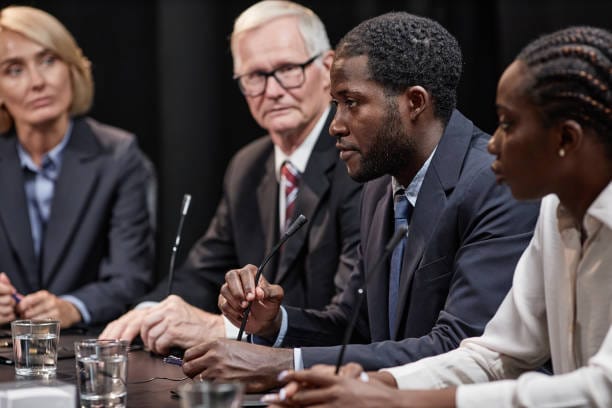
Professionalism extends beyond appearance.
Employers observe how candidates conduct themselves throughout the entire hiring process.
Professional candidates typically:
- Listen carefully before answering.
- Speak clearly and respectfully.
- Avoid interrupting interviewers.
- Remain positive when discussing previous employers.
- Demonstrate honesty.
- Admit when they do not know an answer instead of guessing.
- Express appreciation for the opportunity.
Employers recognize that every employee represents the organization. Professional behavior during the interview suggests similar conduct in the workplace.
Confidence Without Overconfidence
Confidence is highly valued because it indicates that a candidate believes in their abilities.
However, employers distinguish healthy confidence from arrogance.
Confident candidates:
- Discuss accomplishments using evidence.
- Explain how they solved problems.
- Acknowledge teamwork.
- Accept responsibility for mistakes.
- Demonstrate willingness to learn.
Overconfident candidates may exaggerate achievements, dismiss feedback, or appear unwilling to collaborate.
Balanced confidence builds trust and credibility.
Employers Value Authenticity
Many candidates believe they must provide perfect answers to every interview question.
In reality, authenticity often leaves a stronger impression than rehearsed responses.
Employers appreciate candidates who:
- Speak honestly about their experiences.
- Share lessons learned from setbacks.
- Explain how they continue developing professionally.
- Show genuine enthusiasm for the role.
- Demonstrate curiosity through thoughtful questions.
Authentic conversations help employers determine whether the candidate will thrive within the organization.
Key Takeaways
Successful interviews are rarely won by qualifications alone. Employers evaluate preparation, professionalism, communication, confidence, honesty, attitude, and genuine interest alongside technical ability.
By researching the organization, making a strong first impression, and demonstrating authentic professionalism throughout the interview, candidates significantly improve their chances of receiving a job offer.
Official References
- LinkedIn Career Guide: linkedin.com/help/linkedin
- Indeed Career Guide: indeed.com/career-advice
- Society for Human Resource Management (SHRM): shrm.org
- U.S. Bureau of Labor Statistics – Occupational Outlook Handbook: bls.gov/ooh
- U.S. Department of Labor Career Resources: dol.gov
Communication Skills: Can You Express Ideas Clearly?
Communication is consistently ranked among the most important qualities employers seek. Regardless of the role, employees must be able to explain ideas, ask thoughtful questions, listen carefully, and communicate respectfully with colleagues, customers, and managers.
During an interview, employers evaluate communication by observing how candidates:
- Answer questions clearly and logically.
- Listen without interrupting.
- Provide relevant examples from previous experience.
- Explain complex ideas in simple language.
- Maintain appropriate eye contact and positive body language.
- Speak confidently while remaining respectful.
One effective way to answer behavioral interview questions is to organize responses with a clear structure, such as describing the situation, the task, the actions you took, and the results you achieved. Structured answers help interviewers understand your experience and decision-making process.
Problem-Solving Ability
Employers want employees who can think critically and solve problems rather than waiting for someone else to provide every solution.
Interviewers often ask questions such as:
- “Tell me about a difficult challenge you solved.”
- “Describe a time you handled an unexpected problem.”
- “What would you do if a customer was unhappy?”
Strong candidates explain:
- The problem they faced.
- How they analyzed the situation.
- The actions they took.
- The measurable outcome.
- What they learned from the experience.
Even if the outcome was not perfect, employers appreciate candidates who demonstrate responsibility, sound judgment, and continuous learning.
Technical Competence
While soft skills are essential, employers still expect candidates to possess the technical knowledge required for the role.
For technical positions, interviewers may assess:
- Industry knowledge.
- Software proficiency.
- Equipment operation.
- Certifications.
- Safety procedures.
- Regulatory compliance.
- Professional standards.
Candidates should never exaggerate technical abilities. Employers generally prefer honest applicants who are willing to learn over candidates who overstate their experience.
If you are still developing certain skills, explain how you are improving through online courses, certifications, personal projects, or professional training.
Adaptability and Willingness to Learn
Modern workplaces change rapidly due to new technology, evolving customer expectations, and changing business priorities.
Because of this, employers value candidates who adapt quickly and embrace learning.
Interviewers may ask:
- “Describe a time you had to learn something new.”
- “How do you handle change?”
- “Tell me about a situation where your priorities changed suddenly.”
Strong responses demonstrate:
- Flexibility.
- Curiosity.
- Positive attitude.
- Continuous improvement.
- Ability to remain productive during change.
Employers understand that no employee knows everything on the first day. They often prefer someone eager to learn over someone who resists new ideas.
Teamwork and Collaboration
Most jobs require employees to work effectively with others.
Employers evaluate whether candidates can:
- Respect different opinions.
- Resolve conflicts professionally.
- Support colleagues.
- Share responsibility.
- Celebrate team success.
- Communicate openly.
During interviews, avoid taking sole credit for every accomplishment. Instead, explain both your individual contribution and how your team achieved success together.
Employers appreciate candidates who recognize that strong organizations depend on cooperation.
Leadership Potential
Leadership is not limited to management positions.
Many employers look for candidates who demonstrate leadership qualities regardless of job title.
Leadership includes:
- Taking initiative.
- Accepting responsibility.
- Helping coworkers.
- Mentoring new employees.
- Remaining calm during challenges.
- Making thoughtful decisions.
- Motivating others through positive behavior.
Candidates who show leadership potential often become valuable long-term employees because they are prepared to grow with the organization.
Cultural Fit and Shared Values
Employers also consider whether a candidate’s work style and values align with the organization’s culture.
This does not mean hiring people who are all alike. Instead, employers want individuals who will contribute positively to the workplace while respecting company values and collaborating effectively with diverse teams.
Interviewers may ask questions about:
- Your preferred work environment.
- How you handle disagreements.
- What motivates you.
- Why you want to work for the company.
- How you manage workplace relationships.
Candidates who research the company’s mission and values before the interview can provide thoughtful answers that demonstrate genuine interest.
Emotional Intelligence
Emotional intelligence refers to the ability to understand and manage your own emotions while responding appropriately to the emotions of others.
Employers value emotional intelligence because it contributes to:
- Better teamwork.
- Strong customer relationships.
- Effective conflict resolution.
- Professional communication.
- Sound decision-making under pressure.
During interviews, emotional intelligence is demonstrated through patience, active listening, empathy, and respectful responses—even when discussing difficult experiences.
Enthusiasm and Genuine Motivation
Employers are more likely to hire candidates who demonstrate sincere interest in both the role and the organization.
Interviewers often notice enthusiasm through:
- Thoughtful questions about the position.
- Knowledge of the company.
- Positive attitude.
- Interest in professional growth.
- Excitement about contributing to the organization’s goals.
Motivation should be authentic. While salary and benefits are important, employers also appreciate candidates who express interest in learning, solving meaningful problems, and contributing to long-term success.
Key Takeaways
Employers evaluate far more than technical qualifications during interviews. They assess communication, problem-solving, adaptability, teamwork, leadership potential, emotional intelligence, cultural alignment, and genuine motivation.
Candidates who prepare examples from their own experience, communicate clearly, remain adaptable, and demonstrate professionalism are more likely to leave a lasting positive impression.
Common Interview Mistakes That Cost Candidates the Job
Even highly qualified applicants can lose job opportunities because of avoidable interview mistakes. Employers often view these behaviors as signs of poor preparation or unprofessionalism.
Some of the most common mistakes include:
1. Failing to Research the Company
Candidates who know little about the employer often appear uninterested in the role. Before every interview, review the company’s official website, recent news, products or services, mission statement, and job description.
2. Arriving Late
Punctuality reflects reliability. Whether the interview is in person or virtual, plan ahead to avoid delays. For online interviews, test your internet connection, camera, and microphone in advance.
3. Speaking Negatively About Previous Employers
Employers understand that workplace challenges happen, but criticizing former managers or coworkers may suggest a negative attitude. Instead, remain professional and focus on what you learned from previous experiences.
4. Giving Generic Answers
Responses such as “I’m hardworking” or “I’m a team player” are more convincing when supported by specific examples that demonstrate these qualities.
5. Not Asking Questions
At the end of most interviews, employers invite candidates to ask questions. Thoughtful questions about the role, team, or company demonstrate genuine interest and preparation.
How Hiring Managers Make Their Final Decision
Interview decisions are rarely based on a single answer.
Hiring managers typically consider several factors together, including:
- Relevant skills and qualifications.
- Communication ability.
- Professionalism.
- Cultural fit.
- Problem-solving ability.
- Teamwork.
- Leadership potential.
- Willingness to learn.
- Overall enthusiasm for the position.
In many organizations, multiple interviewers compare notes before reaching a final hiring decision. A candidate who demonstrates consistent professionalism throughout the hiring process often has a competitive advantage.
Advice from Leading Employers and Career Organizations
Many respected employers and career organizations offer similar guidance for interview success.
Common recommendations include:
- Research the company thoroughly before the interview.
- Understand the responsibilities listed in the job description.
- Prepare examples that demonstrate your skills and accomplishments.
- Practice answering common interview questions.
- Dress professionally for the position.
- Arrive early.
- Maintain honesty throughout the interview.
- Send a professional thank-you message after the interview.
These recommendations are consistent across career guidance published by major employers, professional human resources organizations, and government employment agencies.
Practical Tips for Interview Success
The following habits can significantly improve interview performance:
- Review your résumé before every interview.
- Practice introducing yourself confidently.
- Prepare examples from your own work experience.
- Research salary expectations for the role.
- Bring copies of your résumé when attending in-person interviews.
- Maintain positive body language.
- Listen carefully before answering.
- Keep answers concise and relevant.
- Demonstrate enthusiasm without appearing rehearsed.
- Follow up professionally after the interview.
Small improvements in preparation often produce significant improvements in interview performance.
Final Thoughts
Successful interviews involve much more than answering questions correctly.
Employers seek individuals who communicate effectively, solve problems, collaborate with others, demonstrate professionalism, adapt to change, and show genuine enthusiasm for contributing to the organization.
No candidate is expected to be perfect. However, applicants who prepare carefully, remain authentic, provide evidence-based examples, and approach interviews with confidence and respect consistently make stronger impressions.
Interviewing is a skill that improves with preparation and practice. Every interview offers an opportunity to develop greater confidence, strengthen communication skills, and better understand employer expectations.
By focusing on the qualities employers value most, job seekers can increase their chances of securing meaningful employment and building long-term career success.
Frequently Asked Questions (FAQ)
What is the most important quality employers look for during interviews?
While technical qualifications matter, employers consistently value communication skills, professionalism, adaptability, honesty, and problem-solving ability alongside job-specific experience.
How can I stand out during an interview?
Research the company thoroughly, prepare specific examples of your accomplishments, communicate clearly, demonstrate enthusiasm, and ask thoughtful questions about the role and organization.
Do employers care more about experience or attitude?
Many employers consider both important. A positive attitude, willingness to learn, and strong work ethic can sometimes outweigh limited experience, particularly for entry-level positions.
Should I memorize interview answers?
No. Instead of memorizing scripts, understand your experiences well enough to discuss them naturally. Authentic answers generally create stronger impressions than rehearsed responses.
Is it acceptable to admit that I do not know an answer?
Yes. Employers usually appreciate honesty. If you do not know something, explain how you would find the information or learn the required skill.
Does body language affect interview outcomes?
Yes. Maintaining appropriate eye contact, sitting confidently, smiling naturally, and demonstrating attentive listening all contribute to a positive professional impression.
Official Resources and References
The following official resources provide trustworthy guidance on interviews, career development, and employment:
- LinkedIn Career Resources: linkedin.com/help/linkedin
- Indeed Career Guide: indeed.com/career-advice
- Google Careers: careers.google.com
- Microsoft Careers: careers.microsoft.com
- Society for Human Resource Management (SHRM): shrm.org
- U.S. Bureau of Labor Statistics – Occupational Outlook Handbook: bls.gov/ooh/
- U.S. Department of Labor: dol.gov
- CareerOneStop (Sponsored by the U.S. Department of Labor): careeronestop.org
Conclusion
Employers do not hire candidates solely because they possess the required qualifications—they hire people they believe will contribute positively to the workplace. Every interview is an opportunity to demonstrate not only your knowledge and experience but also your professionalism, integrity, communication skills, adaptability, and enthusiasm.
The strongest candidates prepare thoroughly, answer thoughtfully, remain authentic, and show a genuine desire to learn and grow. By understanding what employers are truly evaluating during interviews and practicing these principles consistently, you can approach every interview with greater confidence and significantly improve your chances of receiving a job offer.
Ultimately, interview success is built on preparation, self-awareness, and continuous improvement. Each interview becomes a valuable step toward achieving your long-term career goals.
Disclaimer
Important Notice
This article is provided for educational and informational purposes only. New Opportunities Press is not an employer, recruitment agency, or hiring representative. We do not guarantee job offers, interview invitations, employment, or recruitment outcomes. Always verify job requirements and application instructions through the employer’s official careers website before applying.
The information in What Employers Really Look for During Interviews: The Complete Guide to Landing Your Next Job is intended to help job seekers better understand common interview expectations, employer preferences, and professional interview practices.
Interview questions, hiring criteria, recruitment processes, and salary offers vary by employer, industry, job role, and location. The tips, examples, and recommendations in this guide are general career advice and should not be considered legal, employment, financial, or professional recruitment advice.
New Opportunities Press is an independent career information publisher and is not affiliated with, endorsed by, or acting on behalf of any employer, recruitment agency, government organization, or educational institution mentioned in this article unless expressly stated. All company names, trademarks, and logos remain the property of their respective owners and are used for identification and informational purposes only.
Readers should always confirm recruitment requirements, interview procedures, and employment policies directly with the hiring organization before submitting an application or accepting a job offer. By using this guide, you acknowledge that employment decisions are made solely by employers and that New Opportunities Press is not responsible for recruitment outcomes or career decisions based on the information provided.