Europe continues to attract skilled and unskilled international workers looking for better salaries, stable careers, quality healthcare, and long-term residency opportunities. In 2026, many European companies are actively recruiting foreign workers due to labor shortages across industries such as healthcare, technology, construction, logistics, hospitality, manufacturing, and agriculture.
Countries like Germany, Netherlands, Ireland, Sweden, and Poland are opening doors for international talent through visa sponsorship programs and work permit pathways.
If you are searching for a life-changing career opportunity abroad, this guide explains the top companies hiring in Europe in 2026, salary expectations, requirements, who these jobs are suitable for, and practical steps to apply successfully.
Why Europe Needs International Workers in 2026
Many European countries are facing:
- Aging populations
- Shortage of skilled labor
- Expansion of industries
- Increased demand for healthcare workers
- Technology growth
- Infrastructure development
Because of this, employers are now recruiting workers from Africa, Asia, and other parts of the world to fill critical positions.
International workers are especially needed in:
- Nursing and caregiving
- IT and software development
- Truck driving
- Construction
- Hotel and restaurant servicesFactory and warehouse operationsAgriculture and food processing
1. siemens.com

Industry
Engineering, Energy, Technology
Hiring Locations
- Germany
- Netherlands
- Austria
- Spain
Popular Jobs
- Electrical engineers
- Software developers
- Technicians
- Factory workers
- Project managers
Salary Expectations
- Factory workers: €2,200–€3,000 monthly
- Engineers: €4,500–€8,000 monthly
- IT specialists: €5,000+ monthly
Who This Job Is For
This company is ideal for:
- Engineering graduates
- Skilled technicians
- Experienced IT professionals
- International workers with technical experience
Requirements Explained Clearly
- Valid passport
- Degree or technical certification
- English proficiency
- Experience preferred for skilled roles
- Some jobs may require German language basics
Why International Workers Prefer Siemens
Siemens offers:
- Visa sponsorship opportunities
- Stable employment
- Relocation assistance
- Career development programs
- International work environment

Industry
- Germany
- Slovakia
- Poland
- Czech Republic
Popular Jobs
- Assembly line workers
- Mechanical engineers
- Welders
- Machine operators
- Logistics staff
Salary Expectations
- Production workers: €2,000–€3,500 monthly
- Engineers: €4,000–€7,500 monthly
Who This Job Is For
Perfect for:
- Skilled and unskilled workers
- Automotive technicians
- Industrial workers
- Mechanical engineering graduates
Requirements
- High school certificate or technical qualification
- Physical fitness for factory work
- Ability to work shifts
- Experience may increase chances
Benefits
- Overtime payments
- Health insurance
- Paid holidays
- Long-term contracts
3. sap.com

Industry
Software and Technology
Hiring Locations
- Germany
- Ireland
- France
- Spain
Popular Jobs
- Software engineers
- Cybersecurity analysts
- Cloud specialists
- Data analysts
- AI engineers
Salary Expectations
- Junior developers: €4,000–€5,500 monthly
- Senior IT professionals: €7,000–€12,000 monthly
Who This Job Is For
Suitable for:
- Computer science graduates
- Remote tech workers
- Experienced software developers
- Data professionals
- Degree in IT-related fields
requirements
- Strong English communication
- Coding skills
- Portfolio or work experience
Why SAP Stands Out
SAP remains one of Europe’s top employers because of:
- Competitive salaries
- International workforce
- Remote work opportunities
- Visa support for skilled workers
4. dhl.com
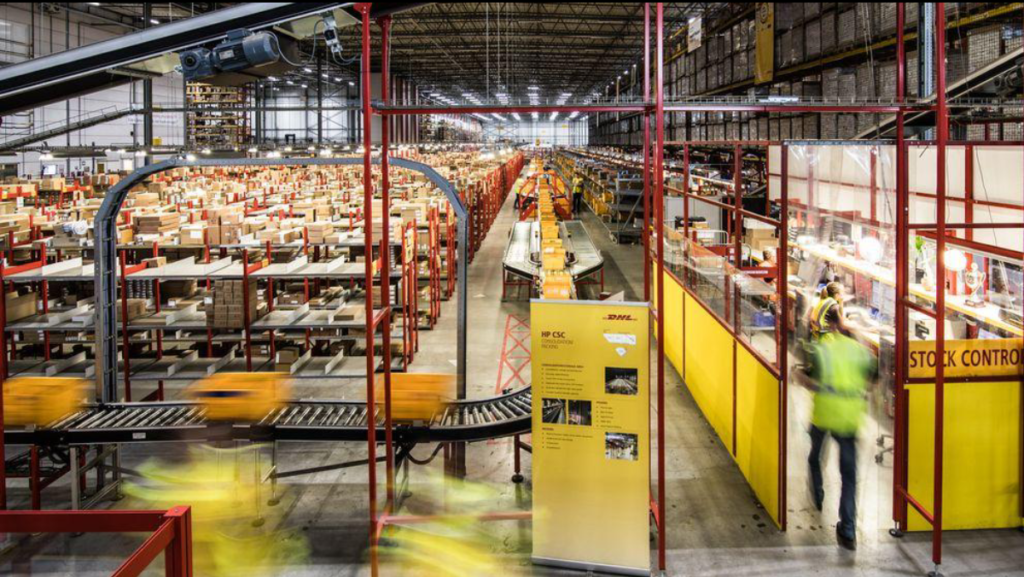
Industry
Logistics and Transportation
Hiring Locations
- Germany
- Belgium
- Netherlands
- Poland
Popular Jobs
- Warehouse assistants
- Drivers
- Logistics coordinators
- Delivery staff
- Customer service representatives:
Salary Expectations
- Warehouse workers: €1,800–€3,000 monthly
- Drivers: €2,500–€4,000 monthly
Who This Job Is For
Ideal for:
- Entry-level workers
- International job seekers without degrees
- Drivers and logistics workers
- Physically active workers
Requirements
- Basic English
- Driver’s license for driving jobs
- Ability to lift packages
- Work permit eligibility
Benefits
- Flexible contracts
- Career progression
- Overtime opportunities
- Employee training

Industry
Retail and Furniture
Hiring LocationsS
- Sweden
- Netherlands
- France
- Denmark
Popular Jobs
- Store assistants
- Warehouse staff
- Customer service workers
- Retail managers
Salary Expectations
- Entry-level workers: €1,700–€2,800 monthly
- Supervisors: €3,500+ monthly
Who This Job Is For
Best for:
- Young workers
- Students
- Retail professionals
- International applicants seeking entry-level opportunities
Requirements
- Communication skills
- Customer service experience preferred
- Teamwork ability
- English proficiency
Why Many Foreign Workers Apply
IKEA is known for:
- Inclusive work culture
- Flexible schedules
- International hiring
- Employee benefits
Healthcare Companies Hiring International Workers
Healthcare remains one of the largest sectors recruiting foreign workers in Europe.
Major Healthcare Employers
Positions Available
- Nurses
- Caregivers
- Medical laboratory technicians
- Healthcare assistants
- Average Salary
- Nurses: €3,000–€6,000 monthly
- Caregivers: €2,000–€3,500 monthly
Requirements
- Nursing certifications
- English language proficiency
- Medical registration in destination country
Who These European Jobs Are For
These opportunities are suitable for:
- Skilled Workers
- Engineers
- Software developers
- Healthcare professionals
- Accountants
- Electricians
Semi-Skilled Workers
- Drivers
- Technicians
- Machine operators
- Construction workers
Unskilled Workers
- Warehouse assistants
- Hotel staff
- Cleaners
- Farm workers
- Factory assistants
Students and Graduates
Many companies offer:
- Graduate trainee programs
- Internship opportunities
- Entry-level contracts
Requirements Explained Clearly
1. Valid International Passport
- High school certificate
- Diploma
- Bachelor’s degree
- Technical certification
3. Work Experience
Some entry-level jobs require little or no experience, while professional roles may require 2–5 years.
4. English Language Skills
Many European companies use English at work, especially multinational companies.
5. CV and Cover Letter
Your documents should:
- Be professionally formatted
- Highlight achievements
- Match the job description
6. Clean Criminal Record
Some employers request background checks before sponsorship.
Step-by-Step Application Process
Step 1: Search for Jobs on Official Career Websites
Avoid fake recruitment agents. Apply directly through company career pages.
Useful websites include:

- Personal information
- Work experience
- Skills
- Certifications
- Languages spoken
European employers prefer:
- Clear formatting
- Short but detailed information
- Honest experience
Step 3: Write a Strong Cover Letter
Explain:
- Why you want the role
- Your experience
- Why you are interested in working in Europe
- Your willingness to relocate
Step 4: Apply Online
Upload:
- CV
- Cover letter
- Certificates
- Passport copy if requested
Step 5: Attend Interview
Interviews may happen through:
- Zoom
- Google Meet
- Microsoft Teams
Common questions include:
- Tell us about yourself
- Why should we hire you?
- Are you willing to relocate?
- What experience do you have?
Step 6: Receive Job Offer and Visa Sponsorship
If selected, the company may provide:
- Employment contract
- Visa support documents
- Relocation instructions
Tips to Increase Your Chances
Improve Your English Communication
Strong communication increases job opportunities significantly.
Learn Basic European Languages
Basic German, Dutch, or French can make employers more interested.
Gain Relevant Skills
Short online courses can improve employability in:
- IT
- Customer service
- Logistics
- Healthcare
Apply Consistently
Do not apply to only one company. Apply to multiple positions weekly.
Avoid Fake Job Offers
Never pay large recruitment fees without verification.
Optimize Your LinkedIn Profile
many recruiters search for workers directly on LinkedIn.
Use:
- Professional profile photo
- Updated experience
- Skills and certifications
Best European Countries for International Workers in 2026
Germany
Strong demand for:
- Engineers
- Nurses
- Factory workers
- Drivers
- Netherlands
Popular for:
- Tech jobs
- Logistics
- Agriculture
Ireland
Excellent for:
- IT professionals
- Customer support
- Finance jobs
Sweden
Known for:
- High salaries
- Good work-life balance
- Technology companies
Poland
Growing opportunities in:
- Manufacturing
- Warehousing
- Construction
Final Thoughts
Europe remains one of the best destinations for international workers seeking better salaries, career growth, and long-term opportunities in 2026.
Companies across technology, healthcare, logistics, manufacturing, and retail sectors are actively hiring foreign talent to solve labor shortages and support economic growth.
Whether you are a skilled professional, recent graduate, or entry-level worker, opportunities now exist across multiple European countries.
The key to success is preparing a professional application, applying through official company websites, improving your skills, and staying consistent throughout the process.
With the right preparation and determination, your journey toward building a successful career in Europe can become a reality in 2026.