
Europe has become one of the most attractive destinations for international workers looking for better salaries, career growth, global exposure, and improved quality of life. From technology companies in Germany to healthcare employers in the United Kingdom and construction firms in the Netherlands, thousands of companies are actively searching for skilled workers from around the world
.If you dream of working abroad, this could be the perfect time to start your European career journey with top companies hiring globally. Many employers across Europe now provide visa sponsorship, relocation assistance, training opportunities, and competitive salaries for qualified international applicants.
For many foreign workers, securing a European job is not only about earning higher income. It is also about building long-term career stability, supporting family members, gaining international experience, and opening the door to permanent residency opportunities.
This guide explains everything you need to know, including who these opportunities are for, the requirements, salary expectations, step-by-step application processes, and expert tips to improve your chances of getting hired.

Why Europe Is Hiring International Workers
Many European countries currently face labor shortages in important industries.
Aging populations, expanding economies, and digital transformation have increased the demand for foreign workers.
Countries like Germany, France, Ireland, Sweden, the Netherlands, and Poland are now recruiting globally in sectors such as:
- Healthcare
- Construction
- Engineering
- Information Technology
- Hospitality
- Agriculture
- Logistics
- Manufacturing
- Education
- Finance
International workers are helping companies fill critical positions that local labor markets cannot fully supply.
Who This Job Opportunity Is For
The opportunity to start your European career journey with top companies hiring globally is suitable for many categories of workers.
Skilled Professionals
If you already have experience in fields like IT, healthcare, engineering, finance, or education, European employers may actively seek your expertise.
Fresh Graduates
Many companies now offer graduate trainee programs and entry-level positions for young professionals willing to learn and grow.
Healthcare Workers
Nurses, caregivers, doctors, and healthcare assistants remain among the most demanded professionals across Europe.
Construction Workers and Technicians
Electricians, welders, plumbers, machine operators, and carpenters are highly needed in many European countries.
Hospitality Workers
Hotels, restaurants, and tourism businesses frequently hire cooks, cleaners, receptionists, and customer service workers.
Remote Workers and Digital Professionals
Tech companies across Europe increasingly hire remote software developers, designers, and digital marketers globally.
Top European Countries Hiring Global Talent
Germany
Germany remains one of Europe’s strongest economies and continues to recruit engineers, IT professionals, drivers, and healthcare workers.
United Kingdom
The UK offers many visa sponsorship opportunities, especially in healthcare, logistics, and technology sectors.
Netherlands
The Netherlands is popular for technology jobs, international business careers, and logistics opportunities.IrelandIreland attracts skilled international workers with strong salaries and a growing tech industry.
Sweden
Sweden offers excellent work-life balance and strong opportunities in engineering and IT.
Poland
Poland is becoming a major destination for factory workers, warehouse workers, and manufacturing professionals
Industries with High Demand in Europe

Technology and IT
Software developers, cybersecurity specialists, AI experts, and cloud engineers are among the highest-paid professionals in Europe.
Healthcare
Europe continues to experience healthcare worker shortages. Nurses and caregivers are especially in high demand.
Construction
Infrastructure projects across Europe have increased the demand for skilled laborers and technicians.
Transportation and Logistics
Truck drivers, warehouse staff, and supply chain professionals remain essential in many countries.Hospitality and Tourism
Hotels and restaurants often recruit international workers during busy seasons.
Common Requirements Explained Clearly
Although requirements vary depending on the country and employer, most European companies hiring globally look for the following:
1. Valid International Passport
You must have a valid passport before applying for most international jobs.
2. Educational Qualifications
Some positions require degrees, diplomas, or technical certifications.
3. Work Experience
Experience can significantly improve your chances, although entry-level jobs are also available.
4. English Language Skills
Many employers require basic or advanced English communication abilities.
5. Professional CV
A well-structured international CV is very important.
6. Clean Criminal Record
Some visa programs require background checks.
7. Medical Fitness
Healthcare and physically demanding jobs
Healthcare and physically demanding jobs may require medical examinations.
Salary Expectations in Europe
Salary depends on the country, company, skill level, and industry.
Healthcare Workers
- Nurses: €2,500 – €5,000 monthly
- Caregivers: €1,800 – €3,000 monthly
IT Professionals
- Software Developers: €4,000 – €8,000 monthly
- Cybersecurity Experts: €5,000 – €10,000 monthly
Construction Workers
- Electricians: €2,500 – €4,500 monthly
- Welders: €2,200 – €4,000 monthly
Hospitality Workers
- Hotel Staff: €1,500 – €3,000 monthly
- Chefs: €2,000 – €5,000 monthly
Warehouse and Factory Workers
- €1,800 – €3,500 monthly depending on location and overtime opportunities.
Some employers also provide:
- Free accommodation
- Health insurance
- Transportation allowance
- Paid holidays
- Relocation support
Step-by-Step Application Process
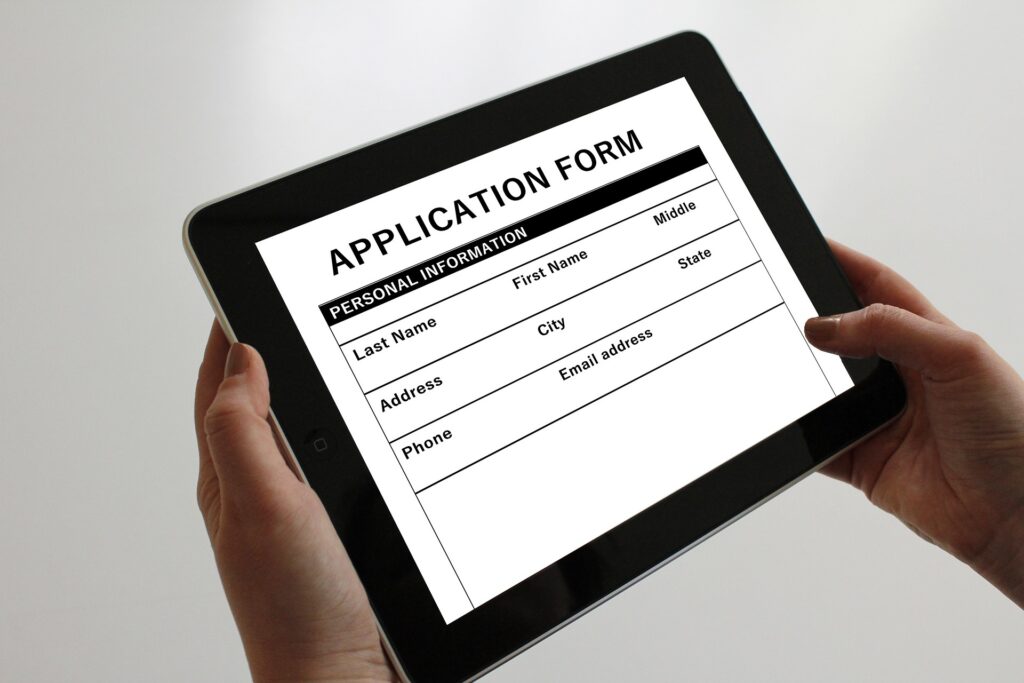
Starting your European career journey with top companies hiring globally becomes easier when you follow a proper process.
Step 1: Identify Your Preferred Country
Research countries that match your qualifications, language skills, and career goals.
Step 2: Prepare a Professional CV
Use a clean international CV format highlighting:
- Skills
- Education
- Work experience
- Certifications
- Languages spoken
Step 3: Search for Verified Job Openings
Use trusted platforms such as:
Step 4: Submit Applications
Apply carefully and customize your cover letter for each position.
Step 5: Attend Interviews
Interviews may happen through:
- Zoom
- Google Meet
- Microsoft Teams
Step 6: Receive Job Offer
Successful candidates receive official employment contracts.
Step 7: Apply for Work Visa
Your employer may help with visa sponsorship documentation.
Step 8: Relocate to Europe
After visa approval, you can arrange travel and relocation.
Tips to Increase Your Chances of Getting Hired
Build a Strong CV
Many applicants lose opportunities because their CV looks incomplete or poorly organized.
Apply Consistently
Do not apply to only one company. Submit multiple quality applications.
Learn Basic European Workplace Culture
Professional communication and punctuality matter greatly.
Improve Your English
Strong communication skills can increase interview performance.
Gain Relevant Certifications
Short online certifications can strengthen your profile.
Use LinkedIn Professionally
Recruiters actively search for international talent on LinkedIn.
Avoid Fake Job Offers
Never pay large upfront fees to unofficial recruiters.
Common Mistakes Applicants Should Avoid
Applying Without Reading Requirements
Always study job descriptions carefully.
Sending Generic CVs
Tailor your CV to each job position.
Ignoring Visa Information
Understand visa sponsorship conditions before applying.
Using Unprofessional Email Addresses
Create a professional email for job applications.
Giving Up Too Early
International hiring can take time and persistence.
Real Human Experience: What Many Applicants Learn
Many successful international workers say the process initially felt difficult because of uncertainty and competition. Some applied to dozens of companies before receiving interview invitations.
One common lesson shared by successful applicants is consistency. Workers who improved their CVs, learned interview skills, and continued applying usually increased their opportunities over time.
Another important lesson is patience. Visa processing and international recruitment often move slower than local hiring processes.
People who succeed usually:
- Stay organized
- Apply regularly
- Research companies properly
- Improve their communication skills
- Avoid scams
Best Job Categories for Foreign Workers in 2026
The healthcare sector remains one of the safest industries for long-term employment.
Technology Careers
Europe continues investing heavily in digital innovation and AI.
Skilled Trades
Electricians, mechanics, welders, and plumbers remain highly valuable.
Logistics and Warehouse Roles
E-commerce growth continues creating demand across Europe.
Hospitality and Tourism
Tourism recovery is increasing seasonal and permanent job openings.
Outbound Links to apply for jobs
Final Thoughts